Shenzhen Zhongfuhai Plastic Co., Ltd.
Black MasterbatchManufacturer in China
Carbon Black Masterbatch Manufacturer & Application-Driven Masterbatch Supplier
Black, color and functional masterbatch engineered for different polymers, processing methods and end-use requirements.
Since 2007, focused on masterbatch R&D and production
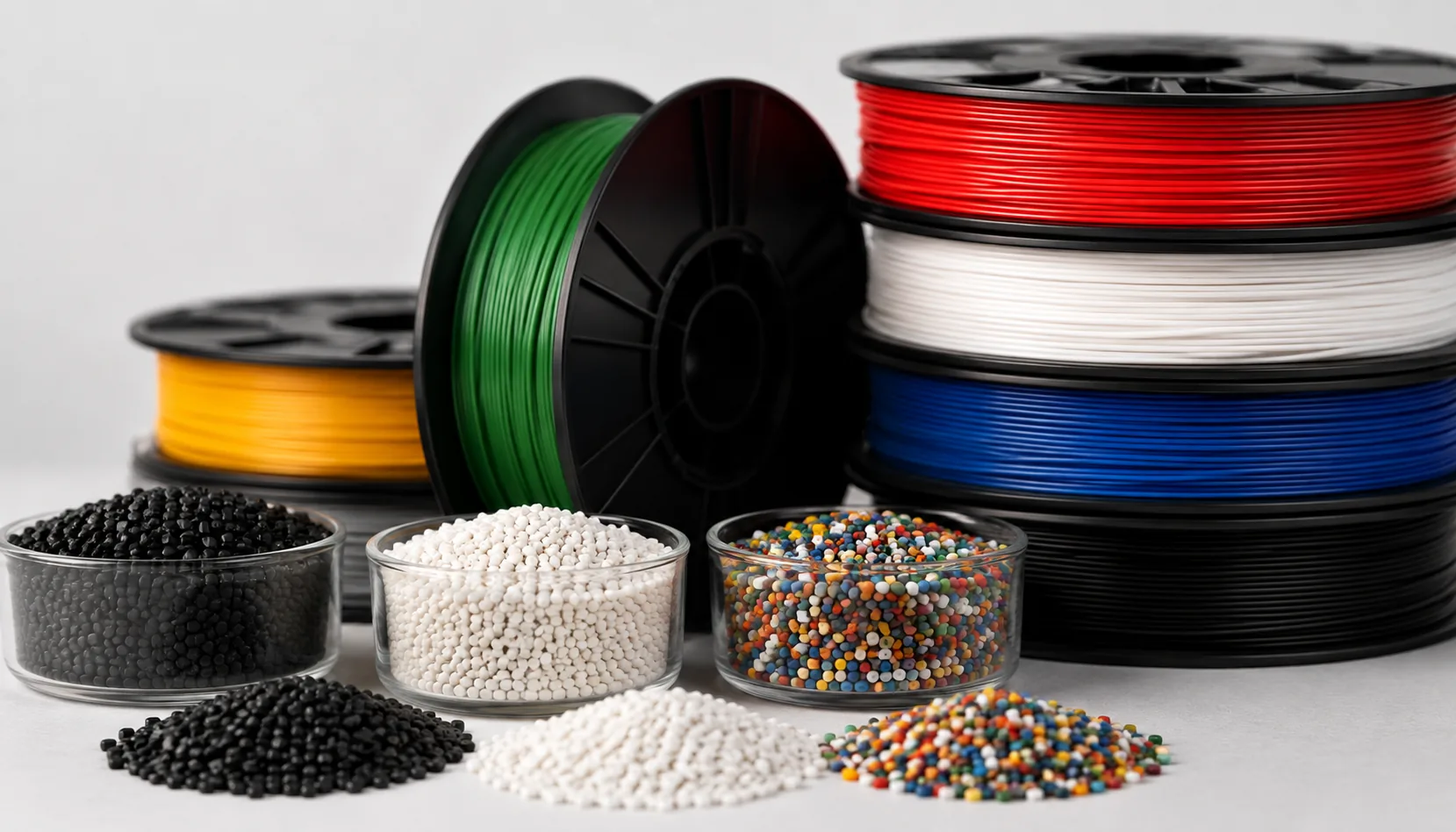
Black, white, color and functional masterbatch
PE · PP · EVA · PA · ABS · PC · SAN · POM · PVC
Quality and environmental management systems
Functional & Performance Solutions
Custom masterbatch for special requirements
Quality & Compliance
Reliable quality, documented by grade
EN 71-3Reports available by grade
Selected grades have been independently tested by SGS. RoHS, REACH, EN 71-3, FDA and other compliance documentation is available per grade rather than as a blanket claim. Food-contact grades are available subject to formulation and target market.
View Quality & ComplianceAbout ZFH
Masterbatch Manufacturing Since 2007
Shenzhen Zhongfuhai Plastic Co., Ltd. (ZFH®) manufactures black, white, color and functional masterbatch, together with recycled PE and PP materials, for PE, PP, EVA, PA, ABS, PC, POM and other polymer systems. Since 2007 we have developed application-specific grades for blown film, injection moulding, pipe and profile, wire and cable, engineering plastics and recycled materials, produced at two dedicated plants in Huizhou, Guangdong — one for color and functional masterbatch, the other for black masterbatch. Production, quality control, laboratory testing and custom formulation are all handled in house, and grade-specific RoHS, REACH, EN 71-3 and FDA test reports are available on request.
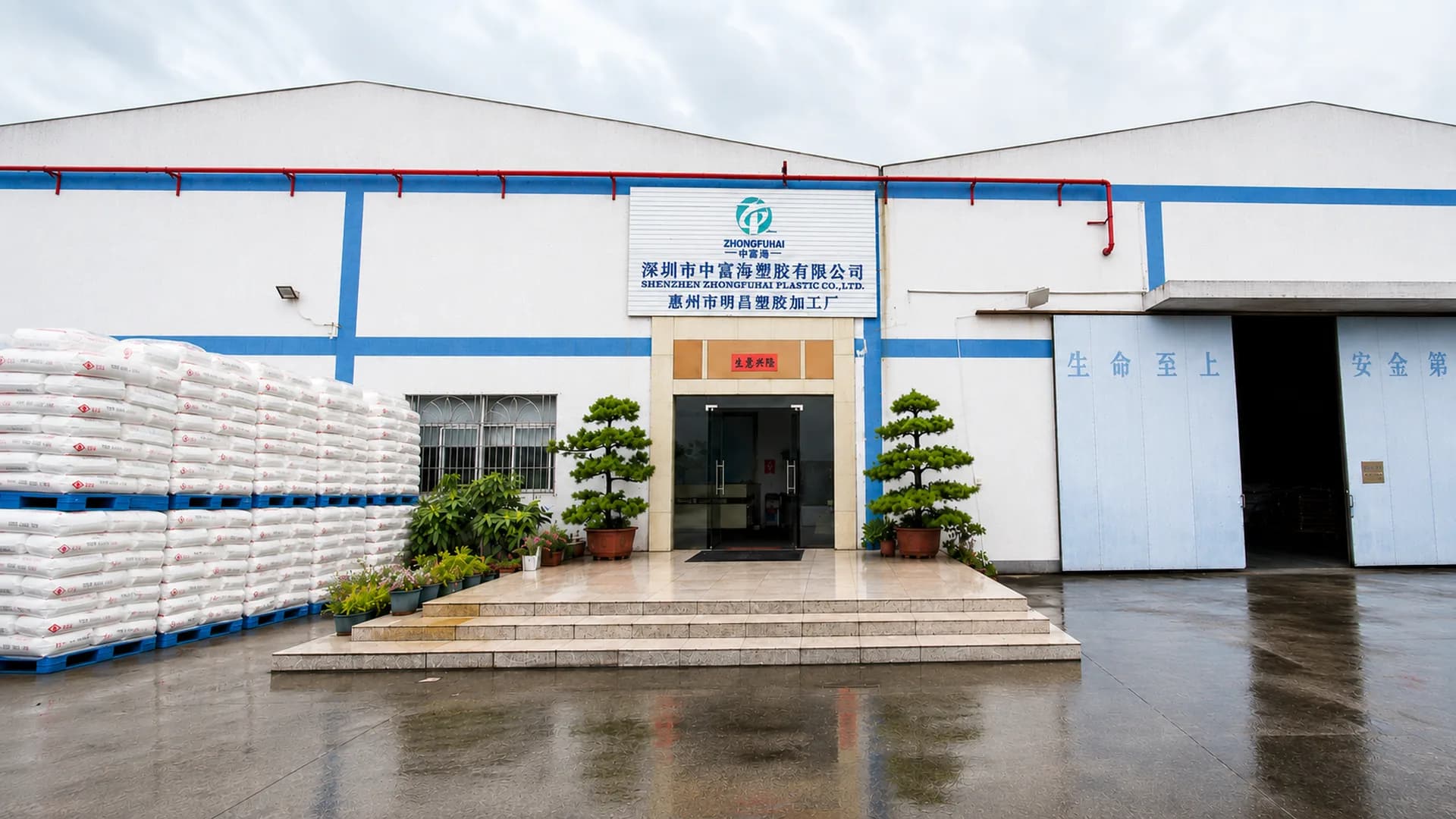
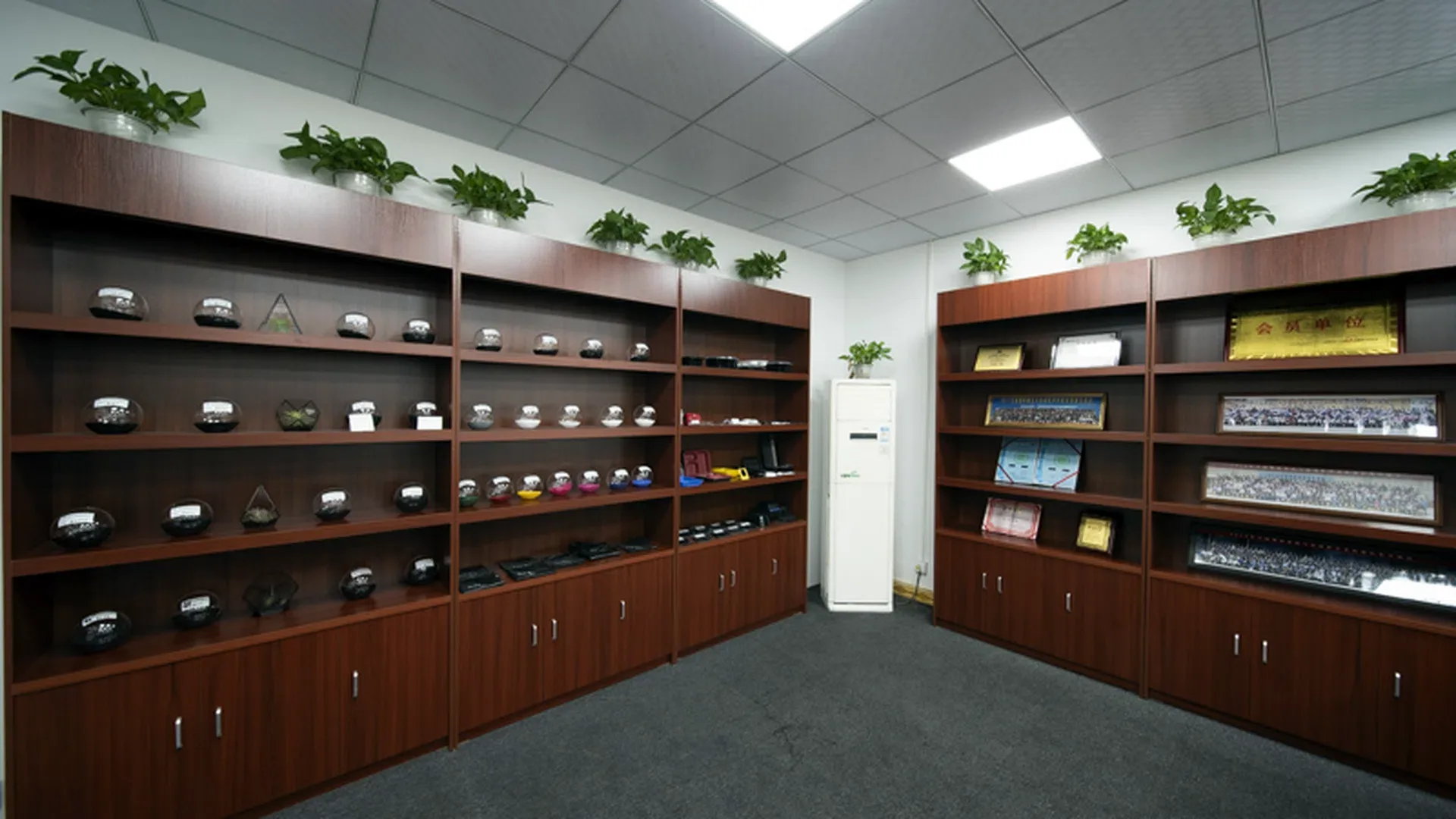
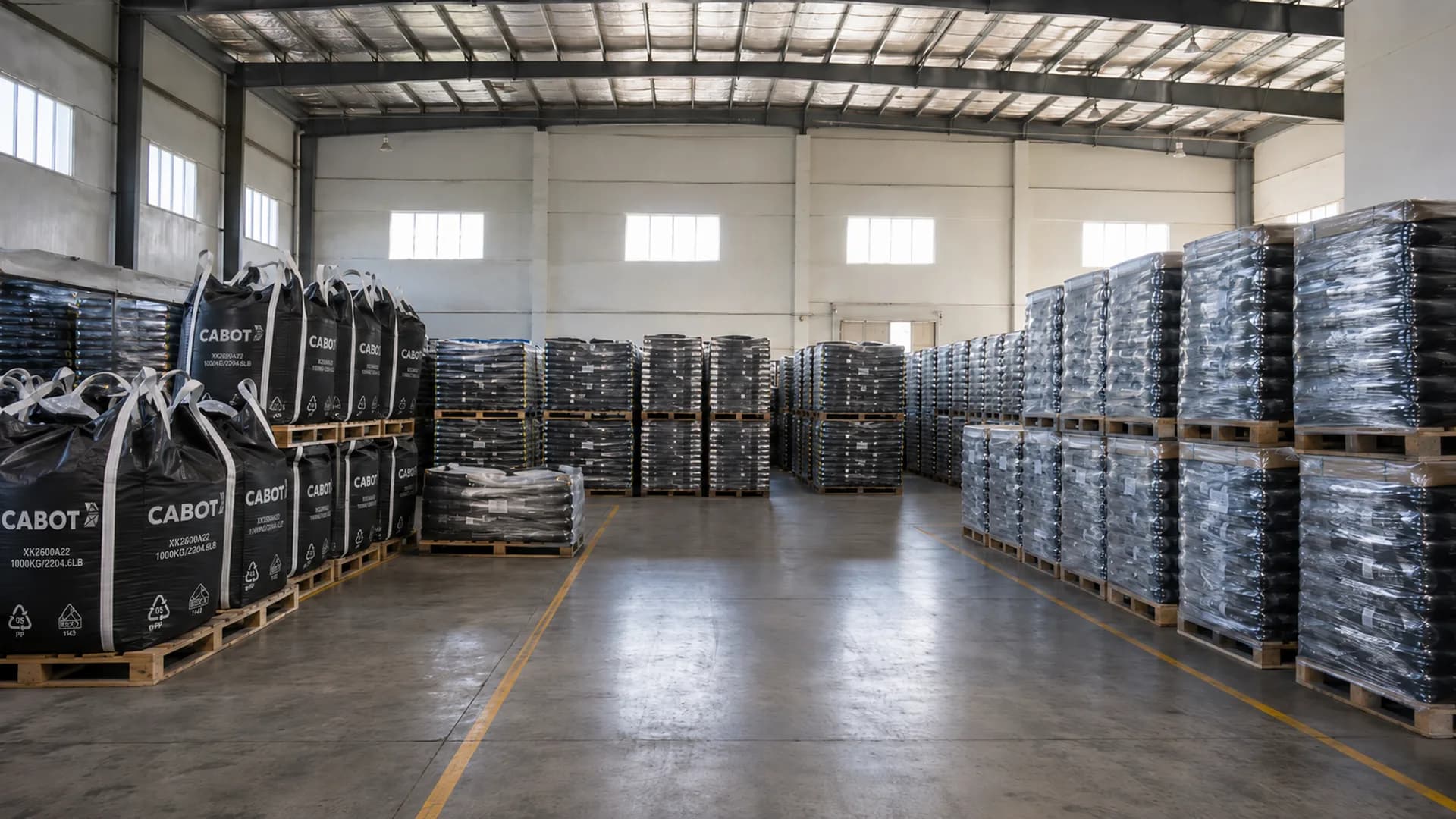
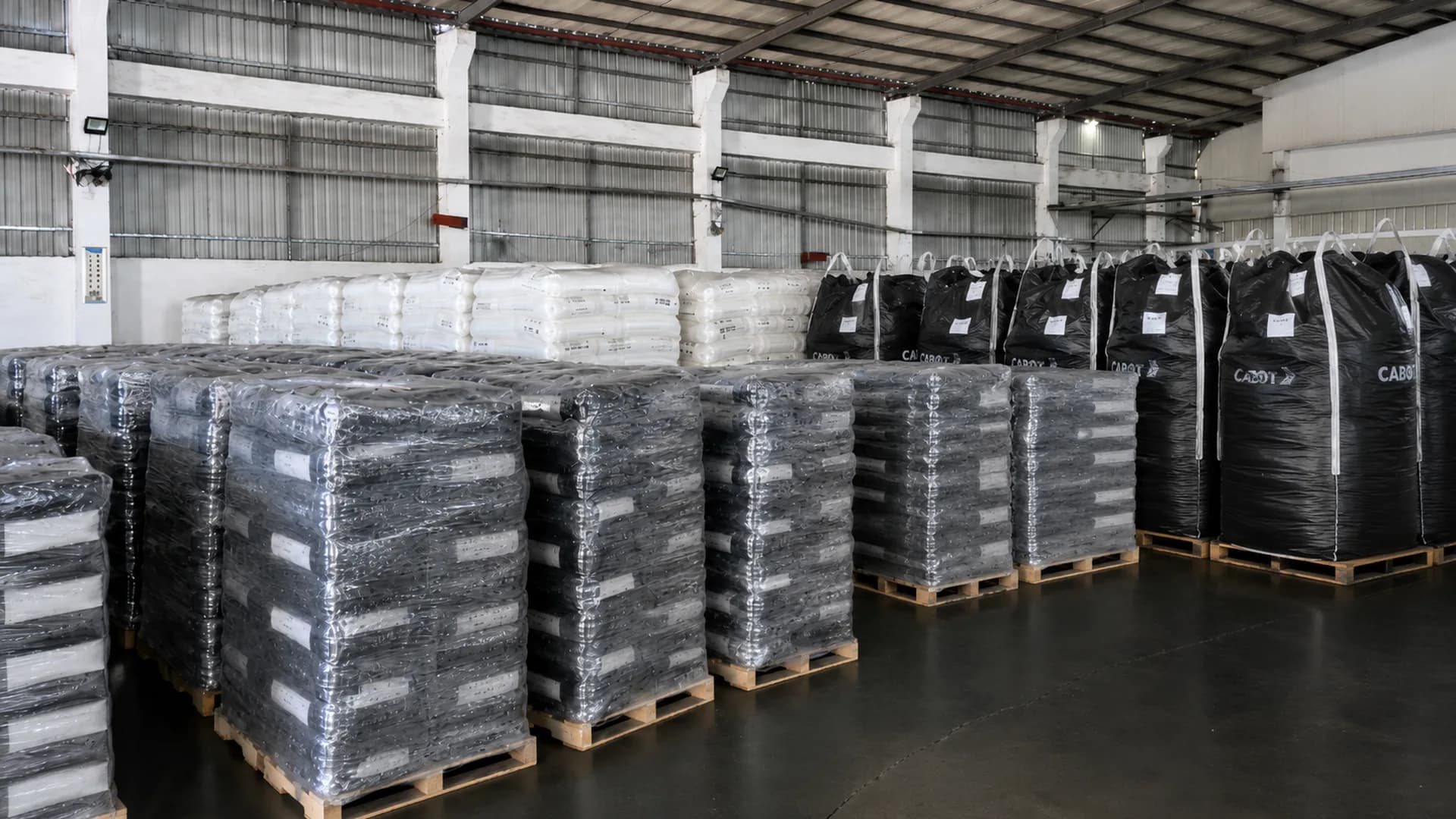
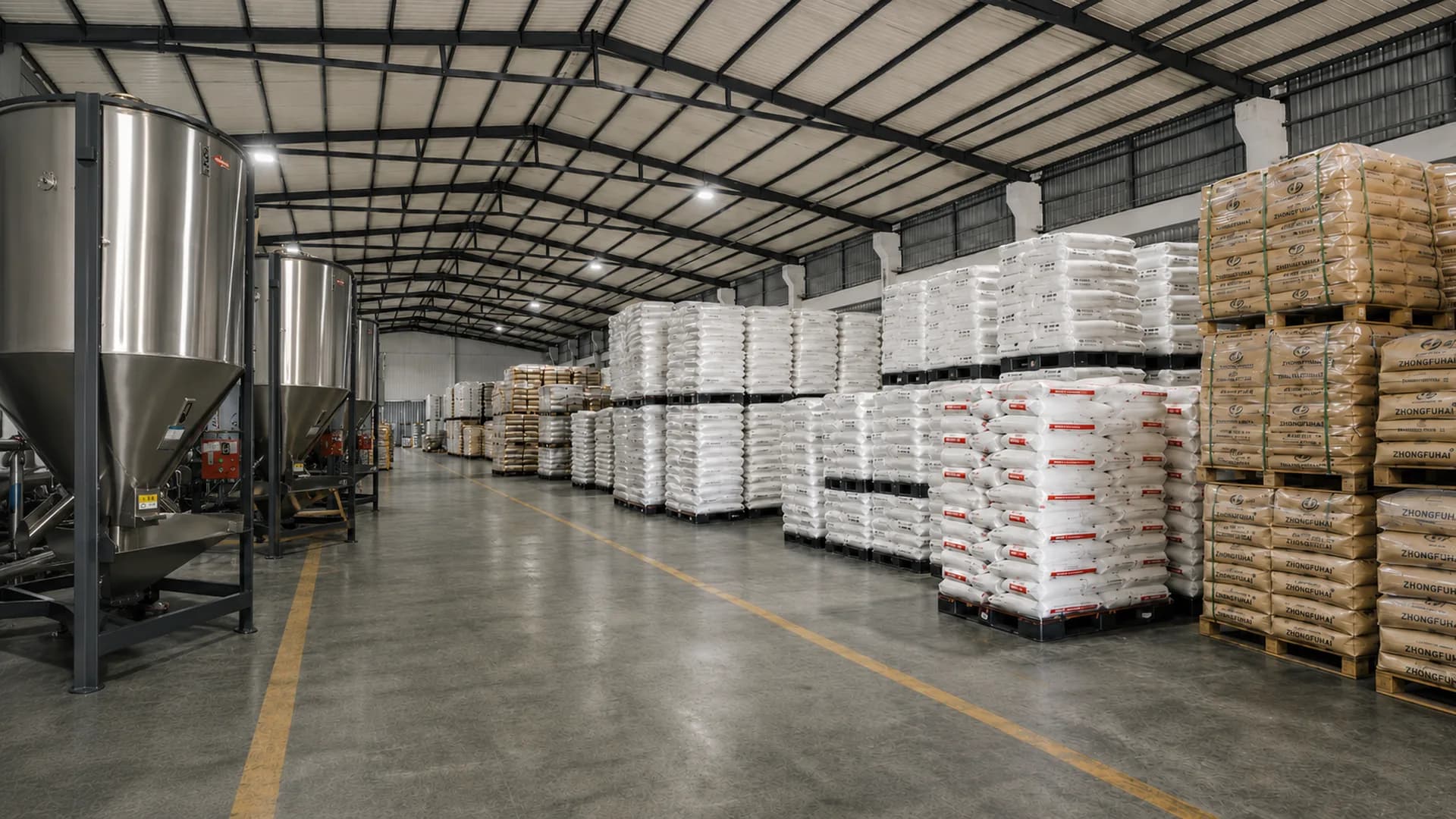
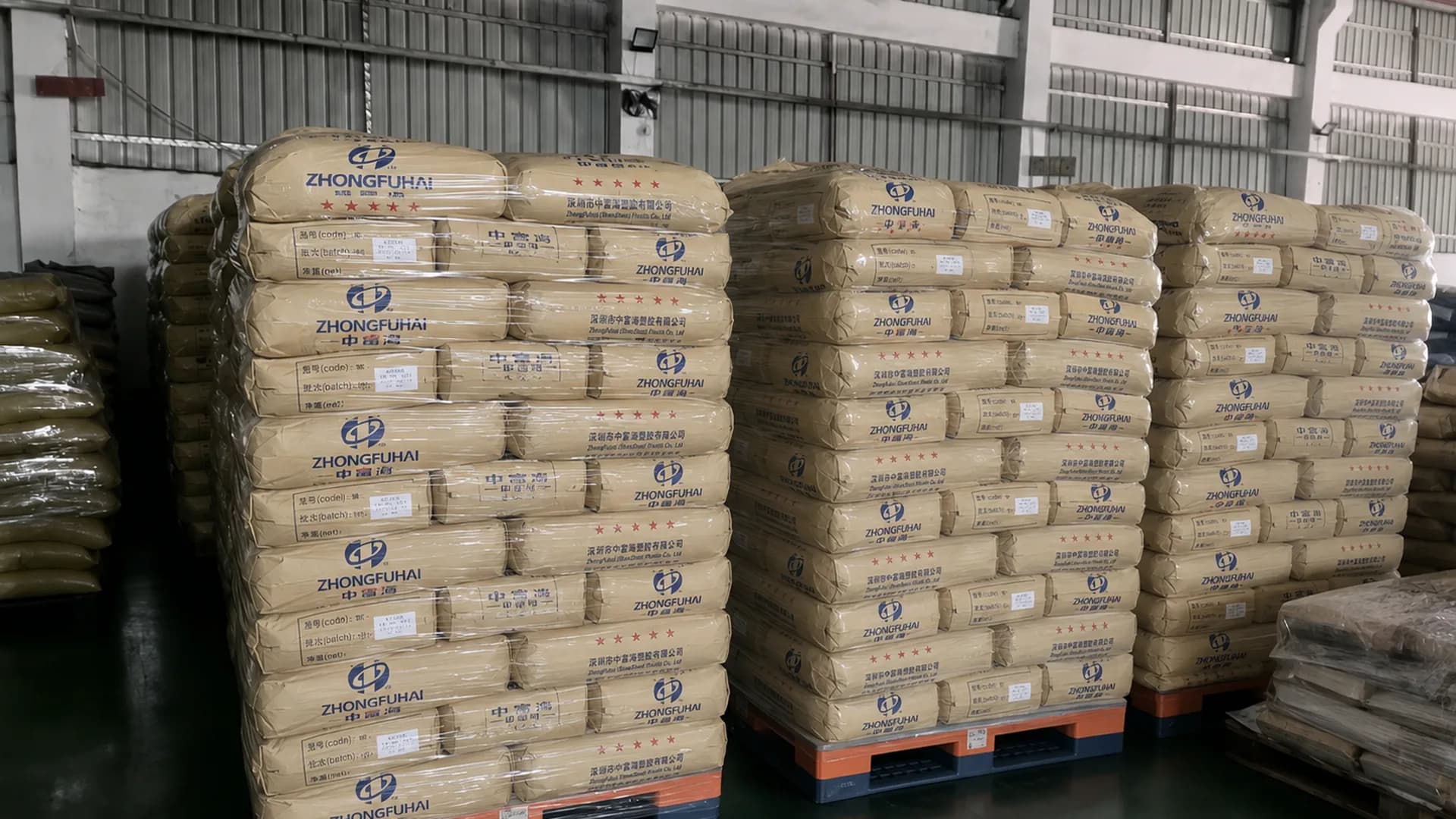
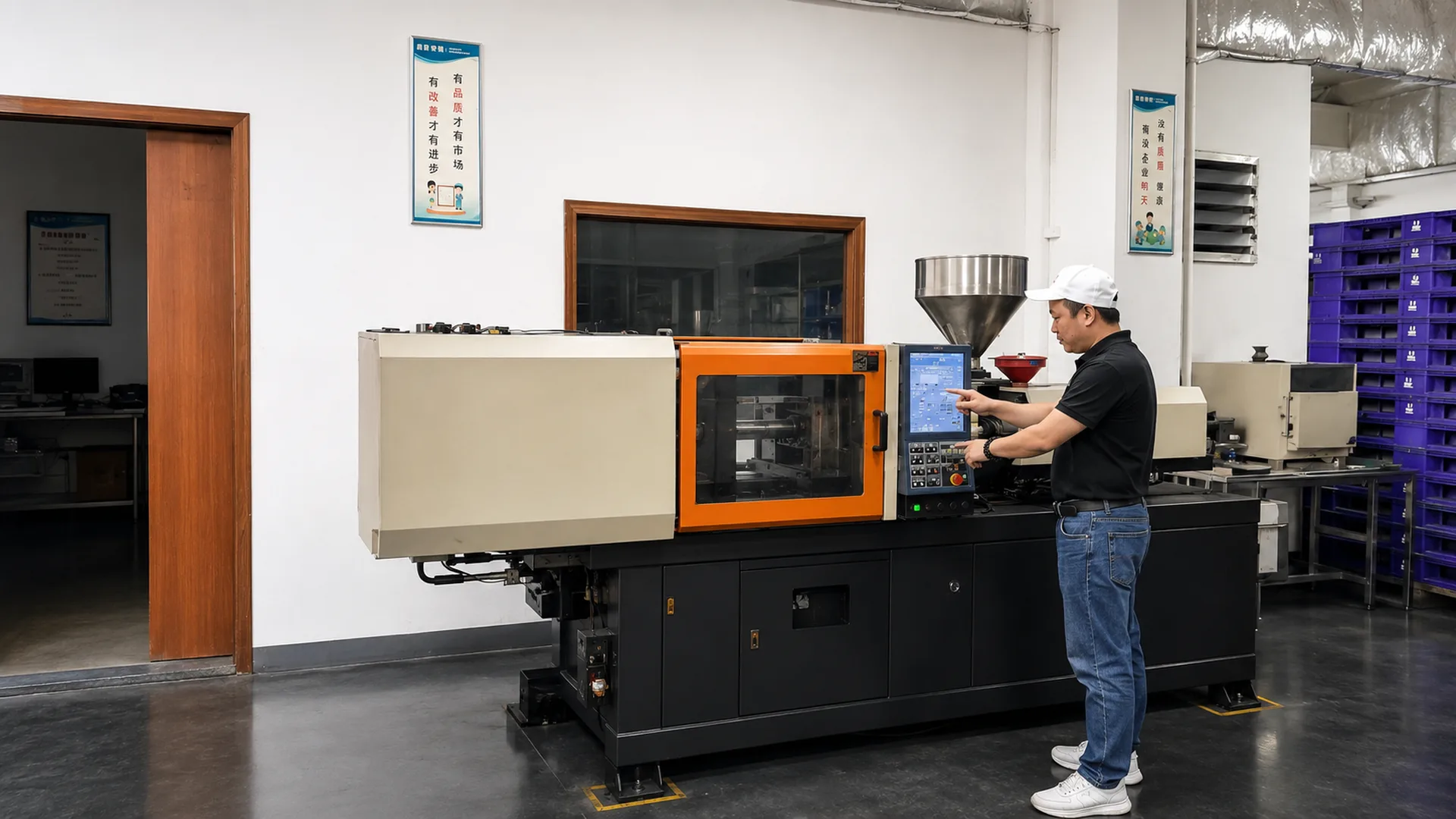
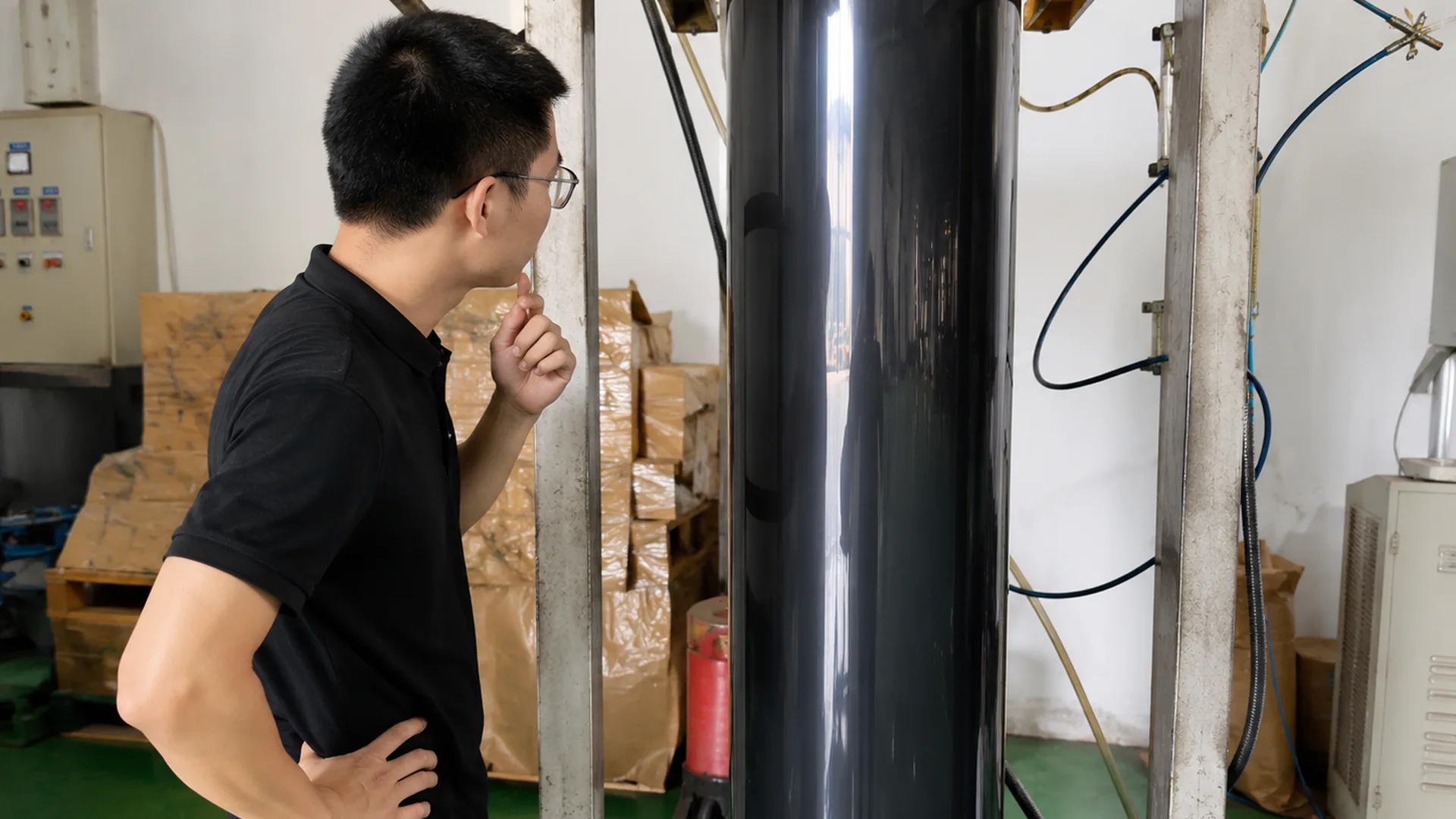
Our Factory
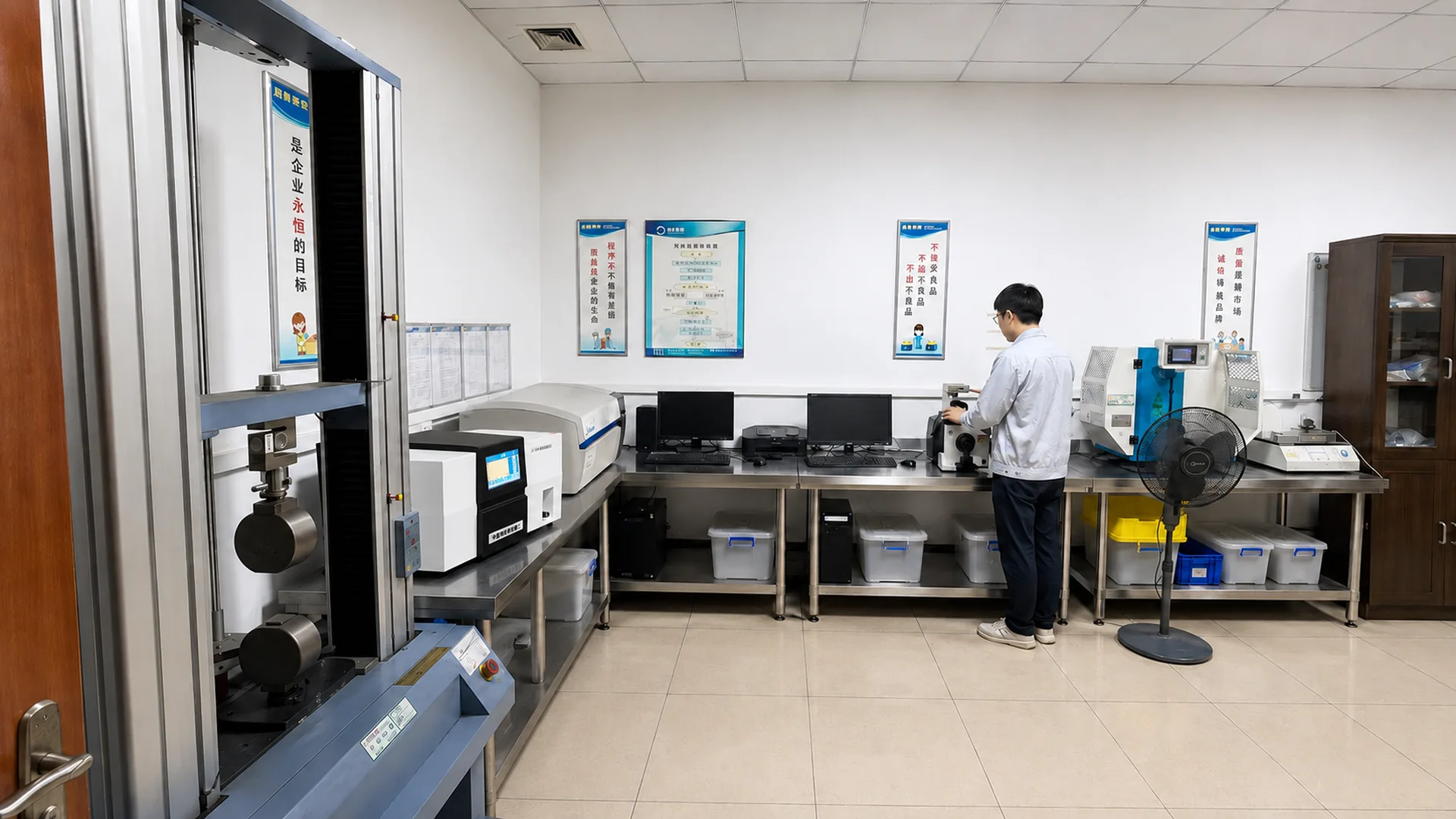
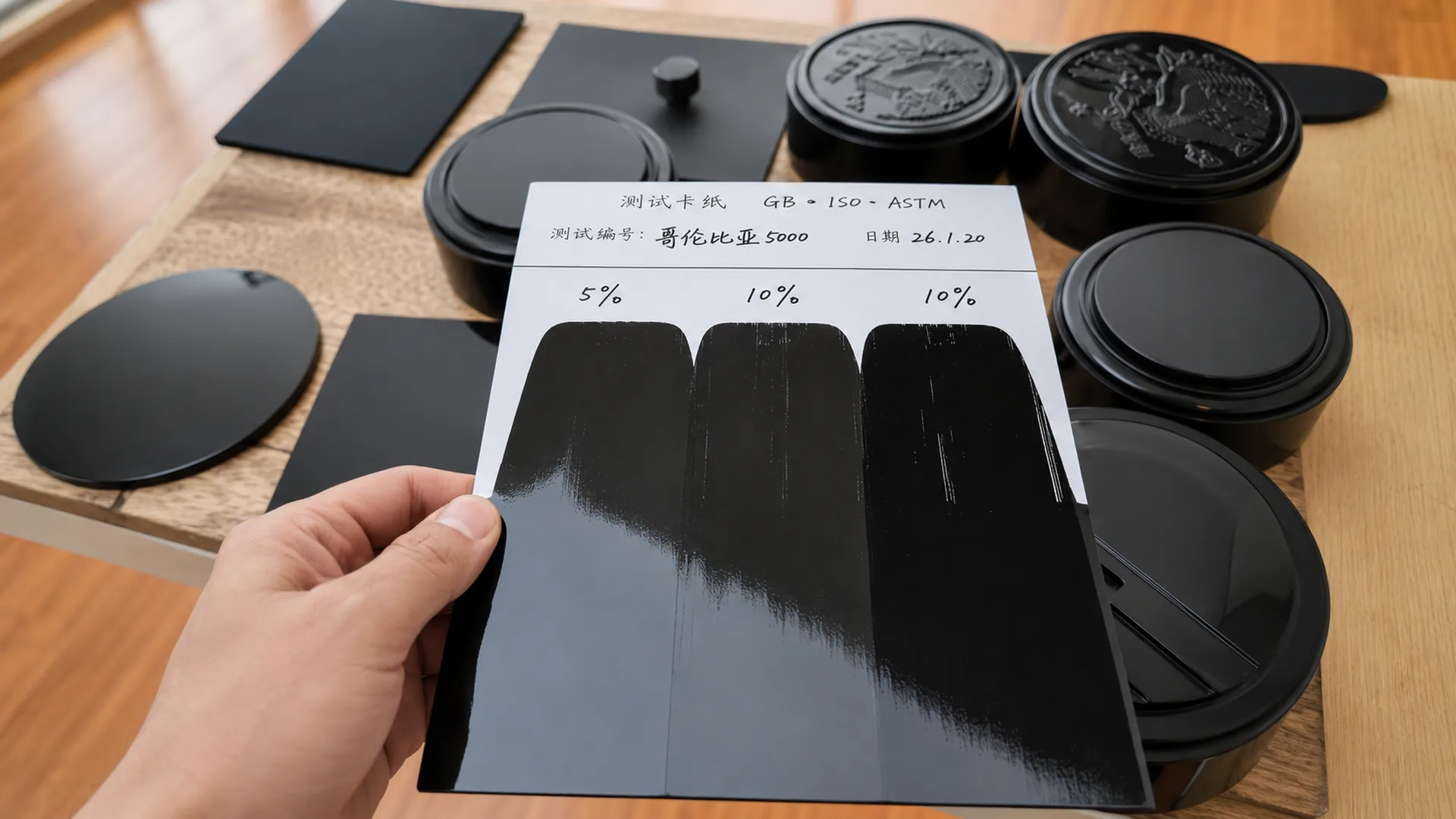
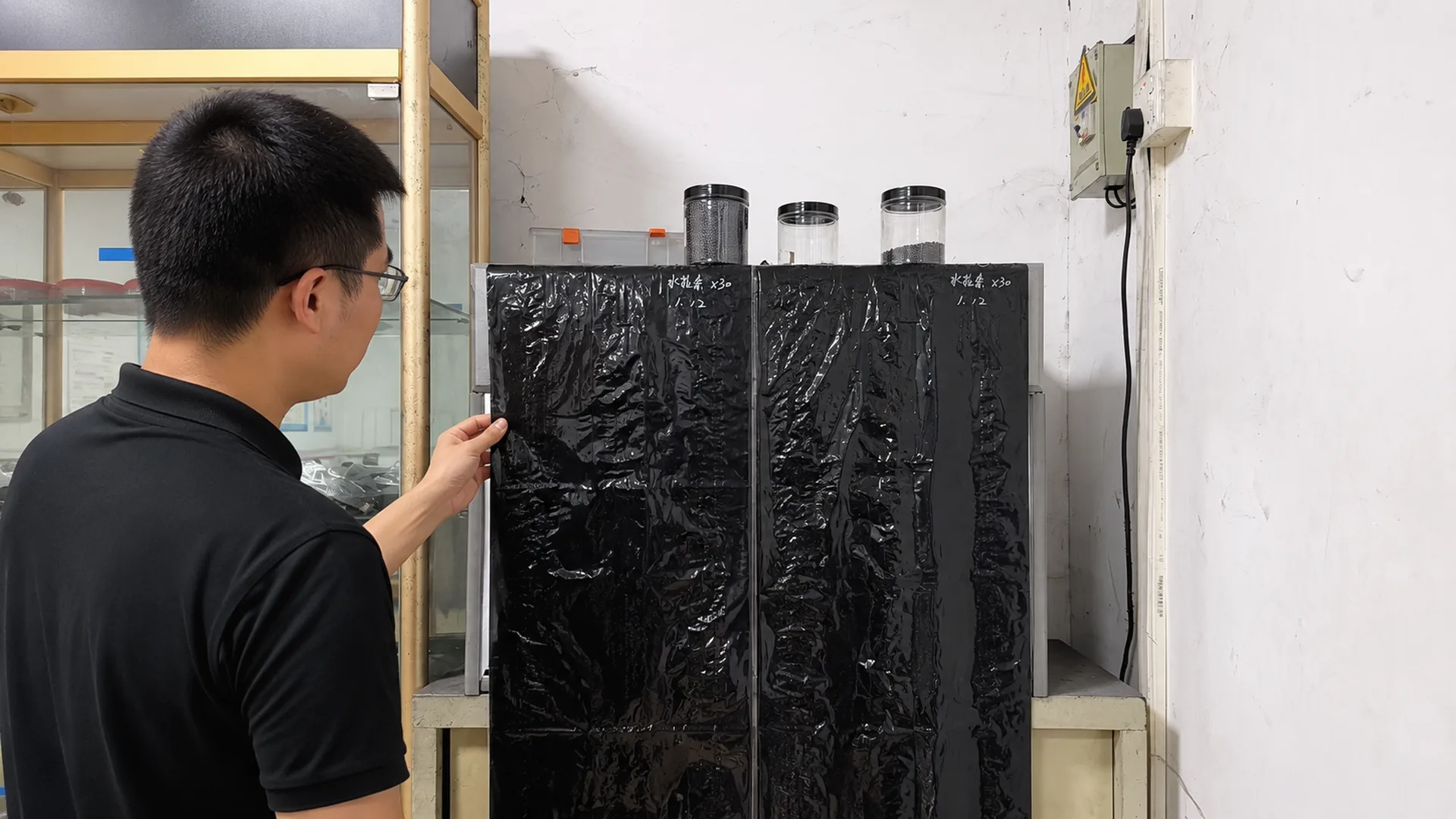
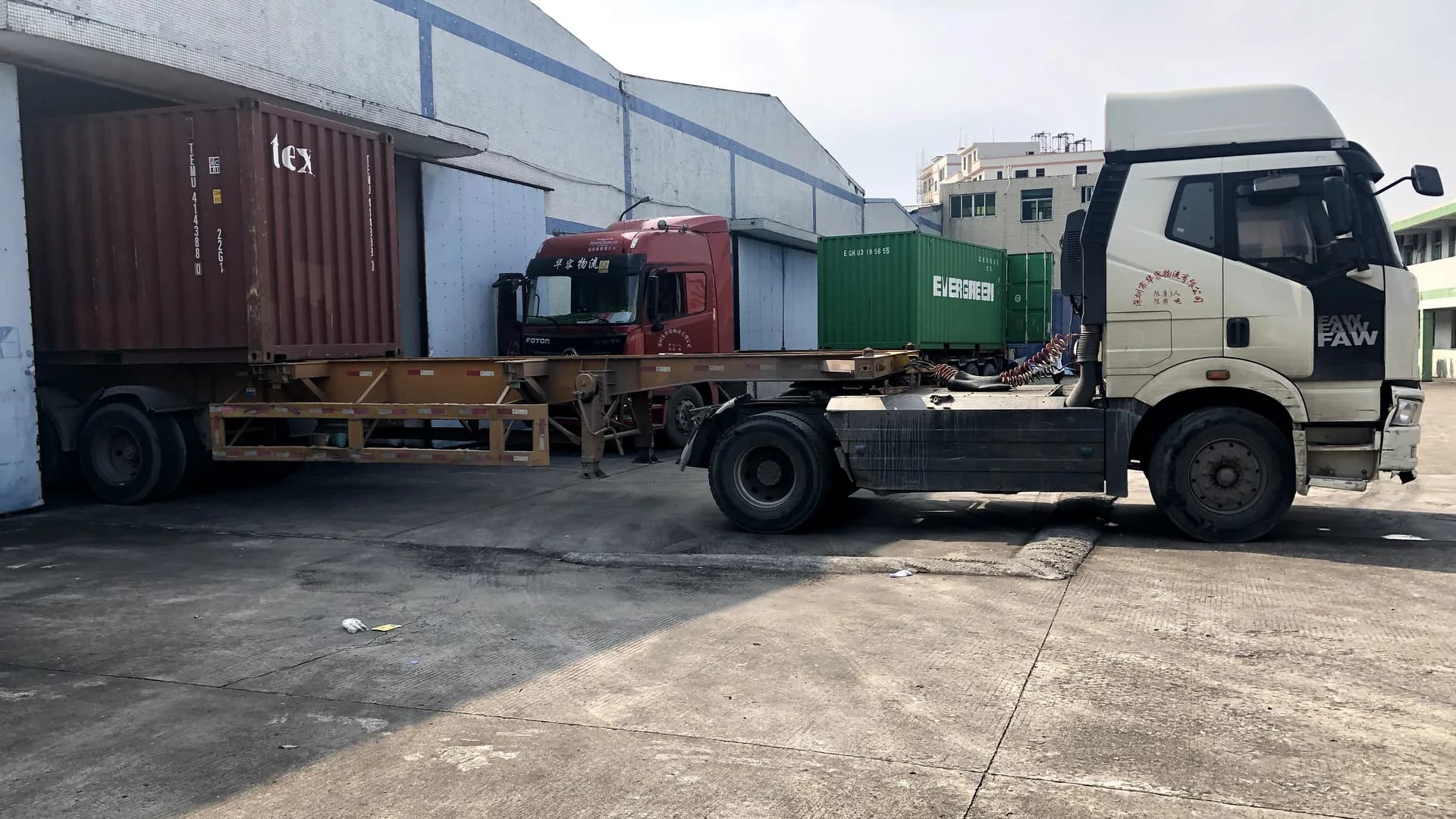
Inside our Huizhou facility
Real photos from our own plant — raw material intake, twin-screw production, in-house QC testing, finished-goods packaging and container loading.
Product Application Gallery
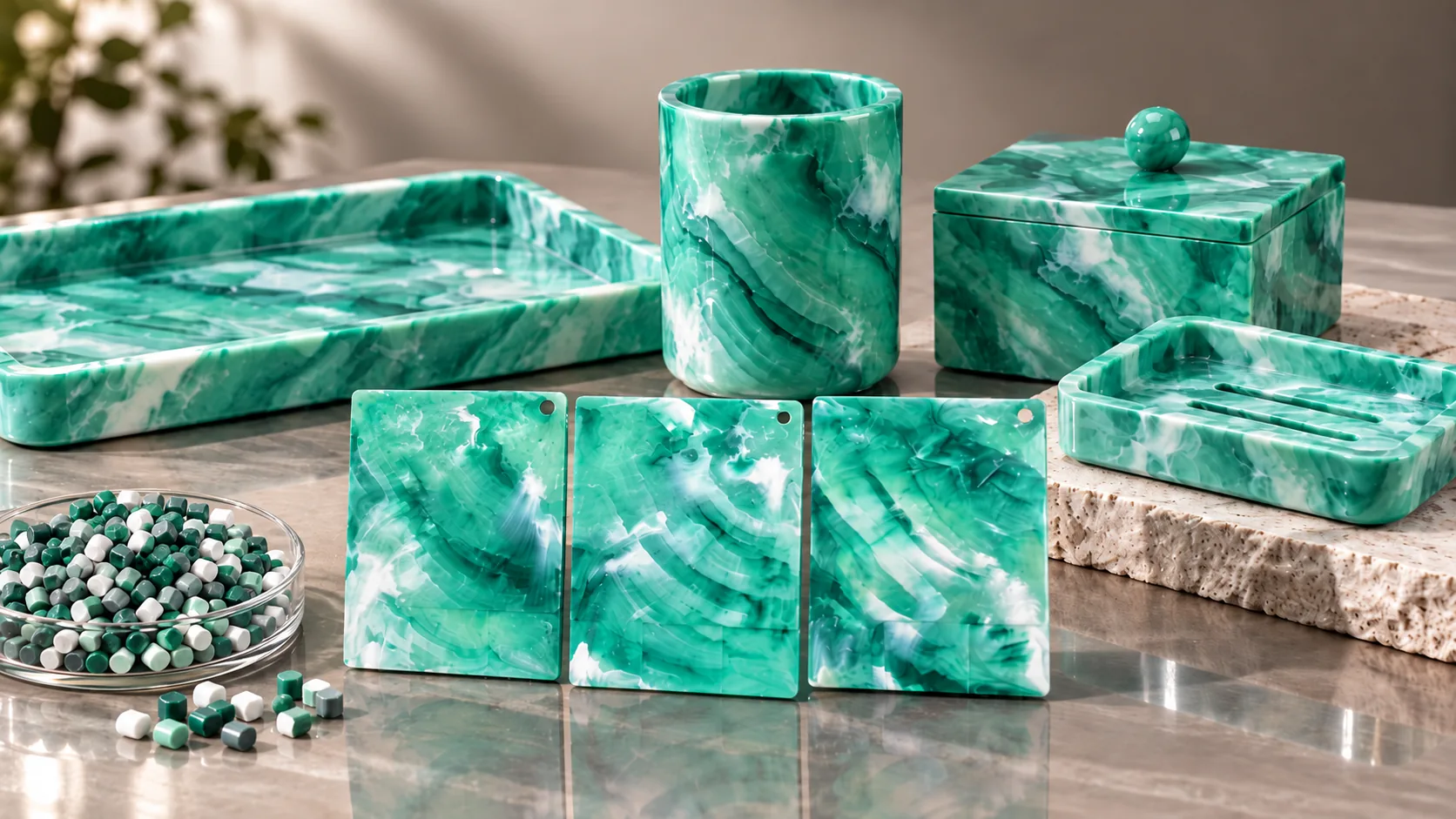
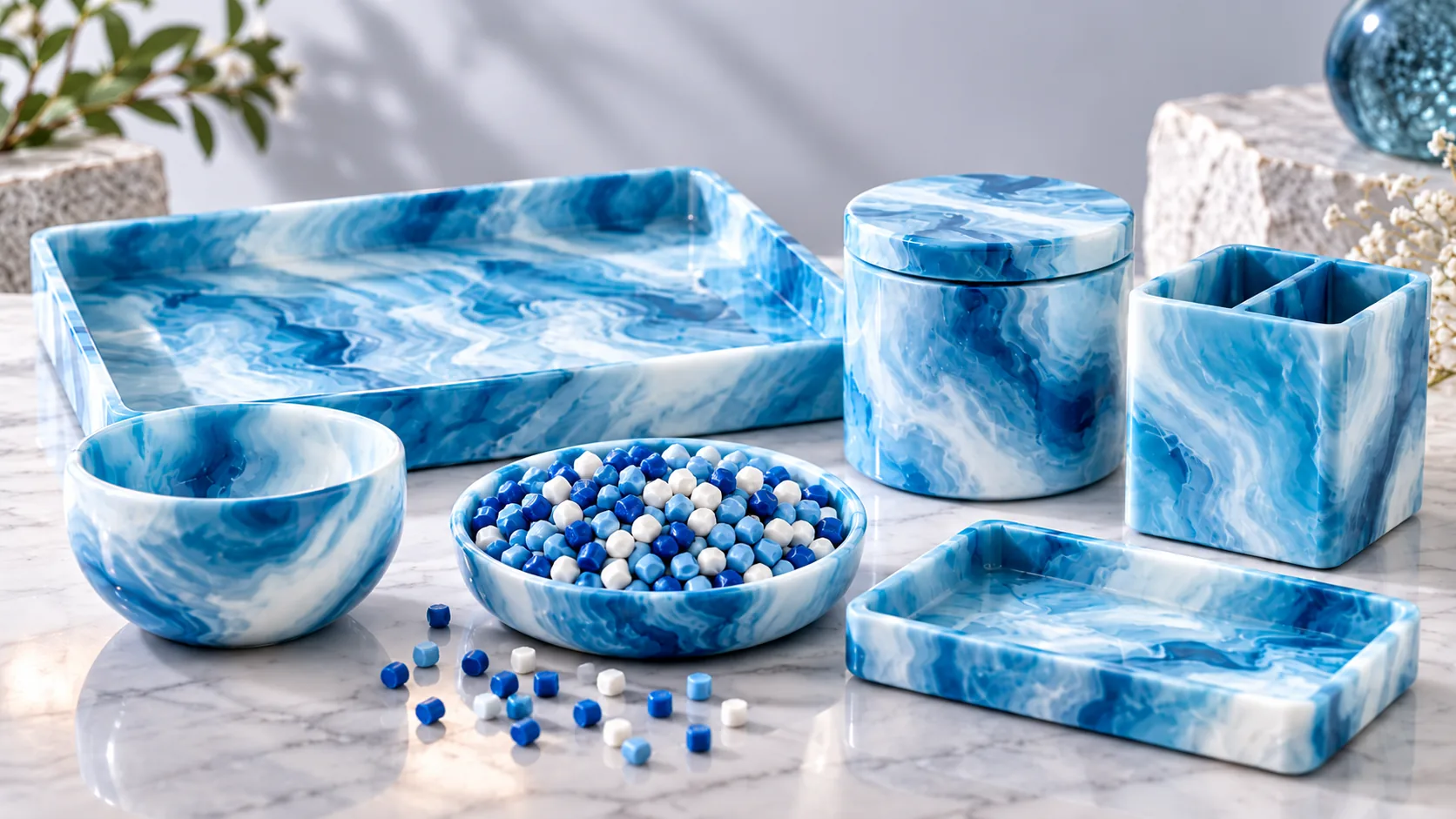
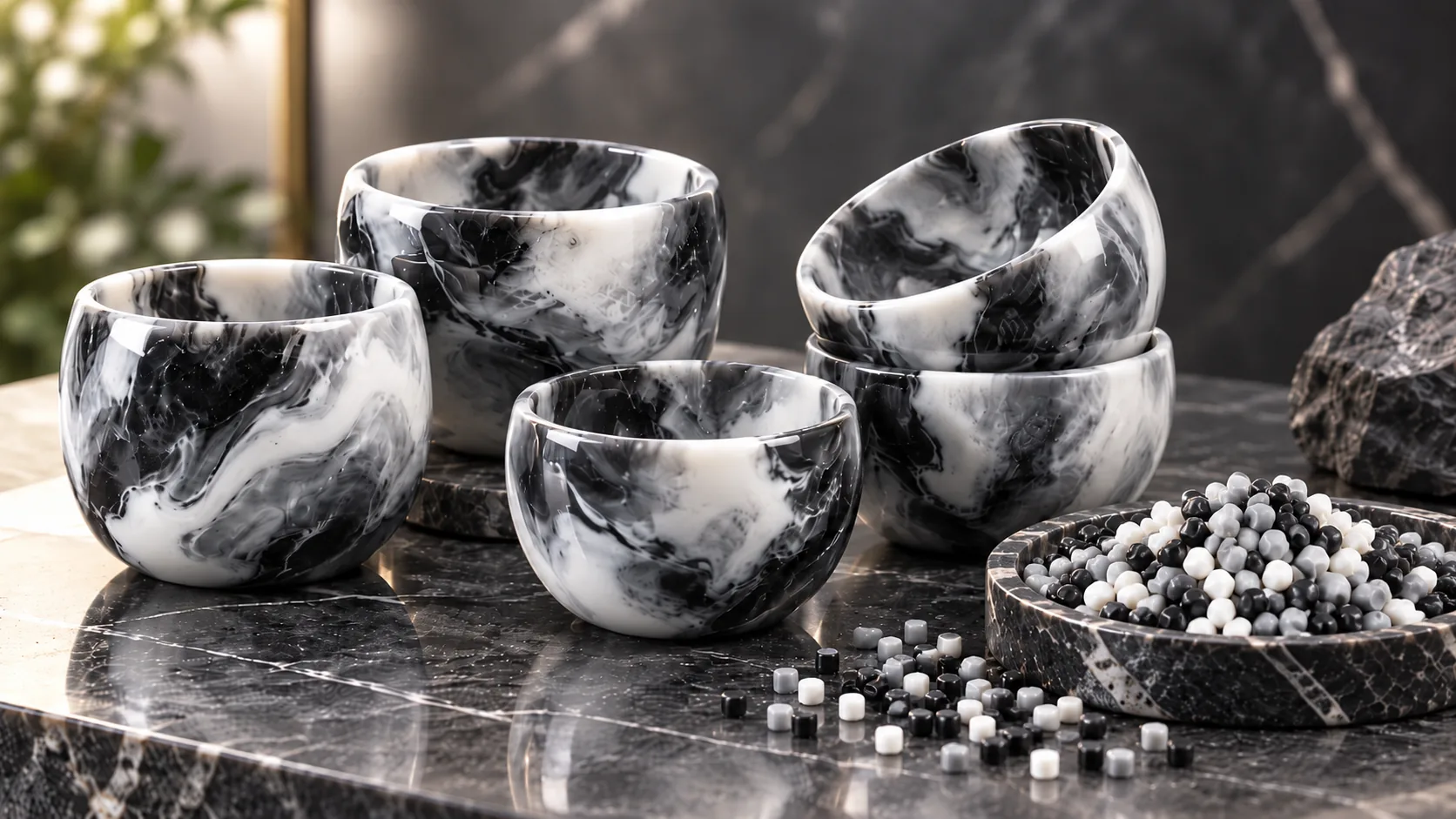
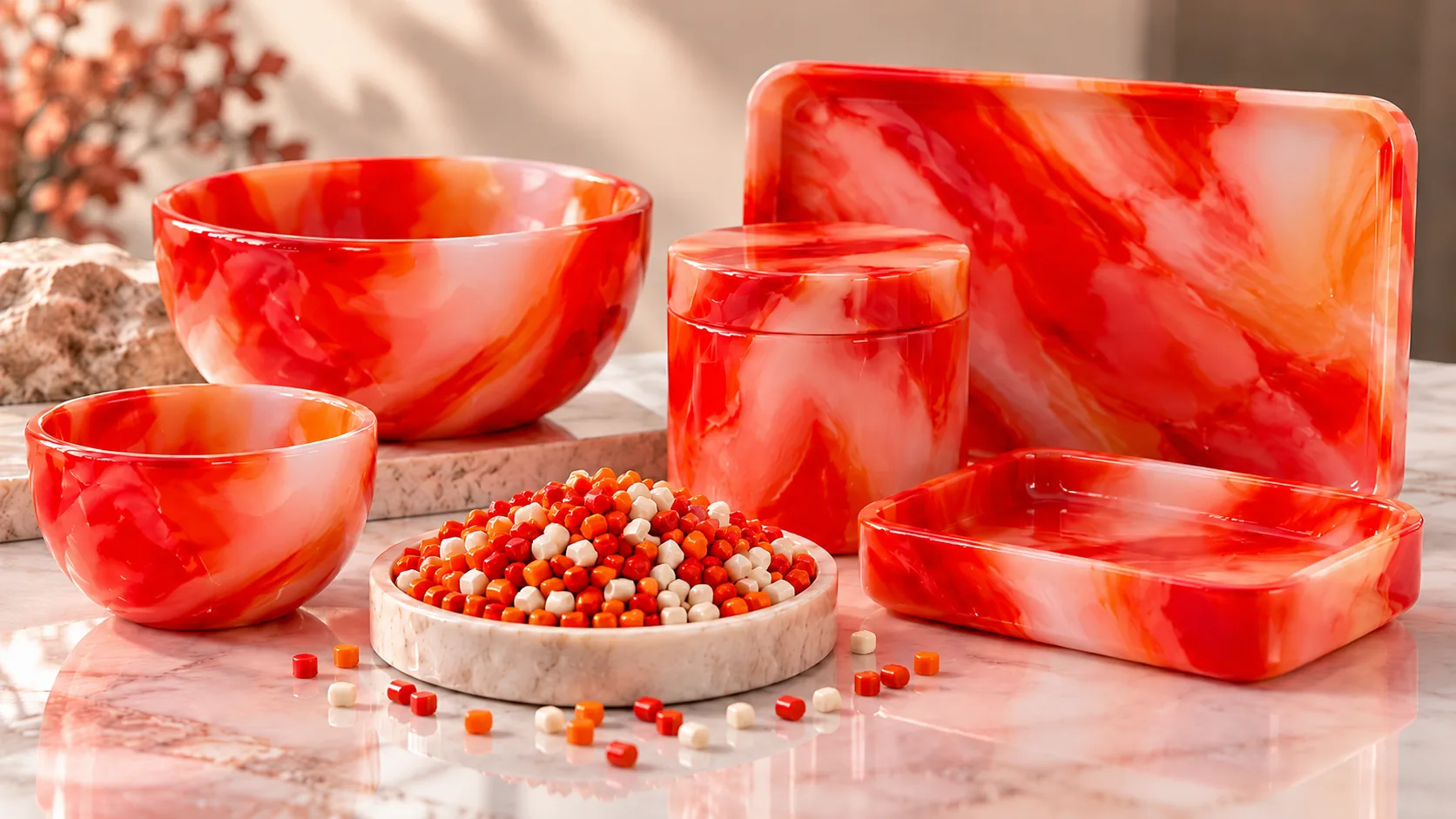
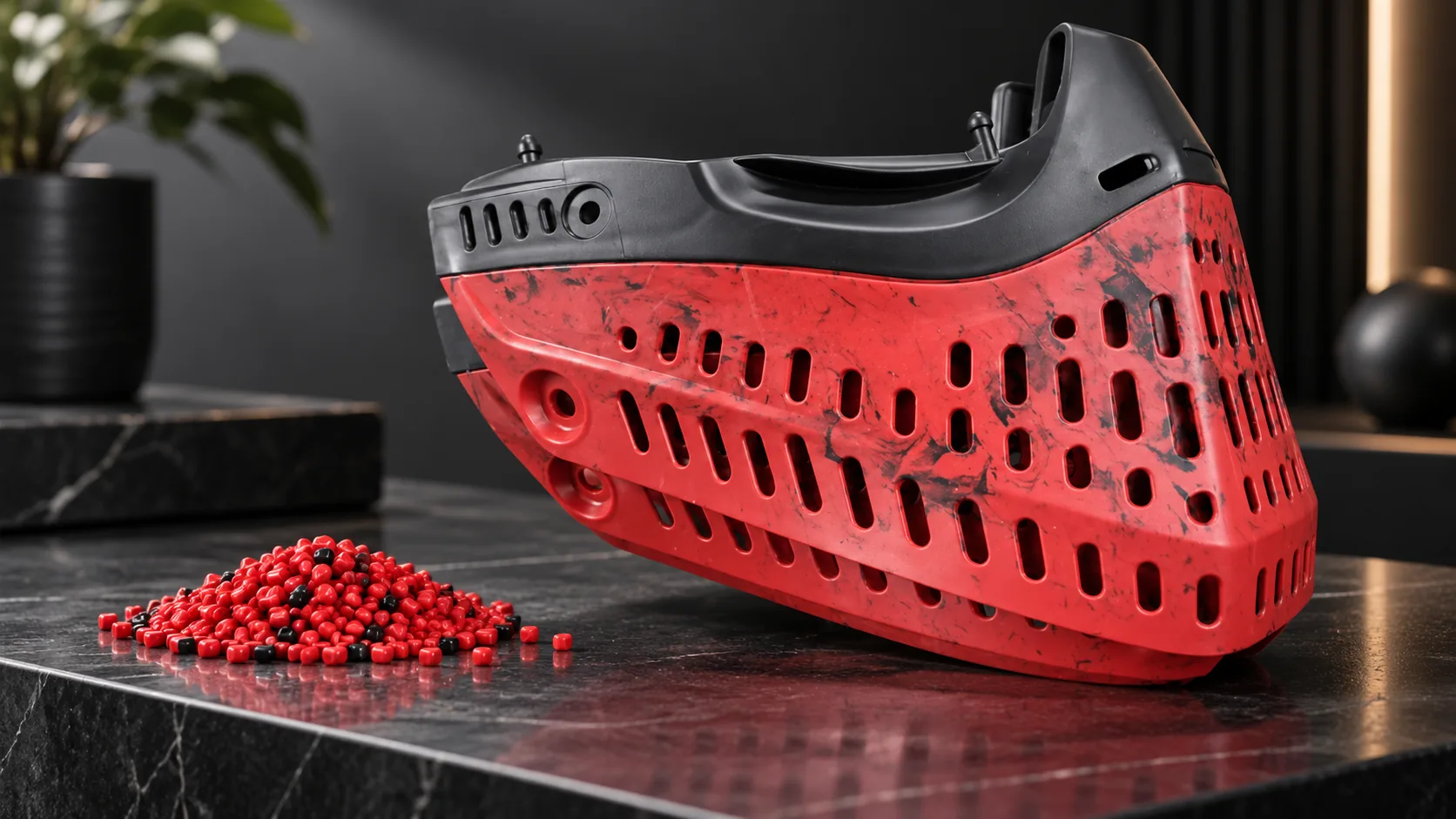
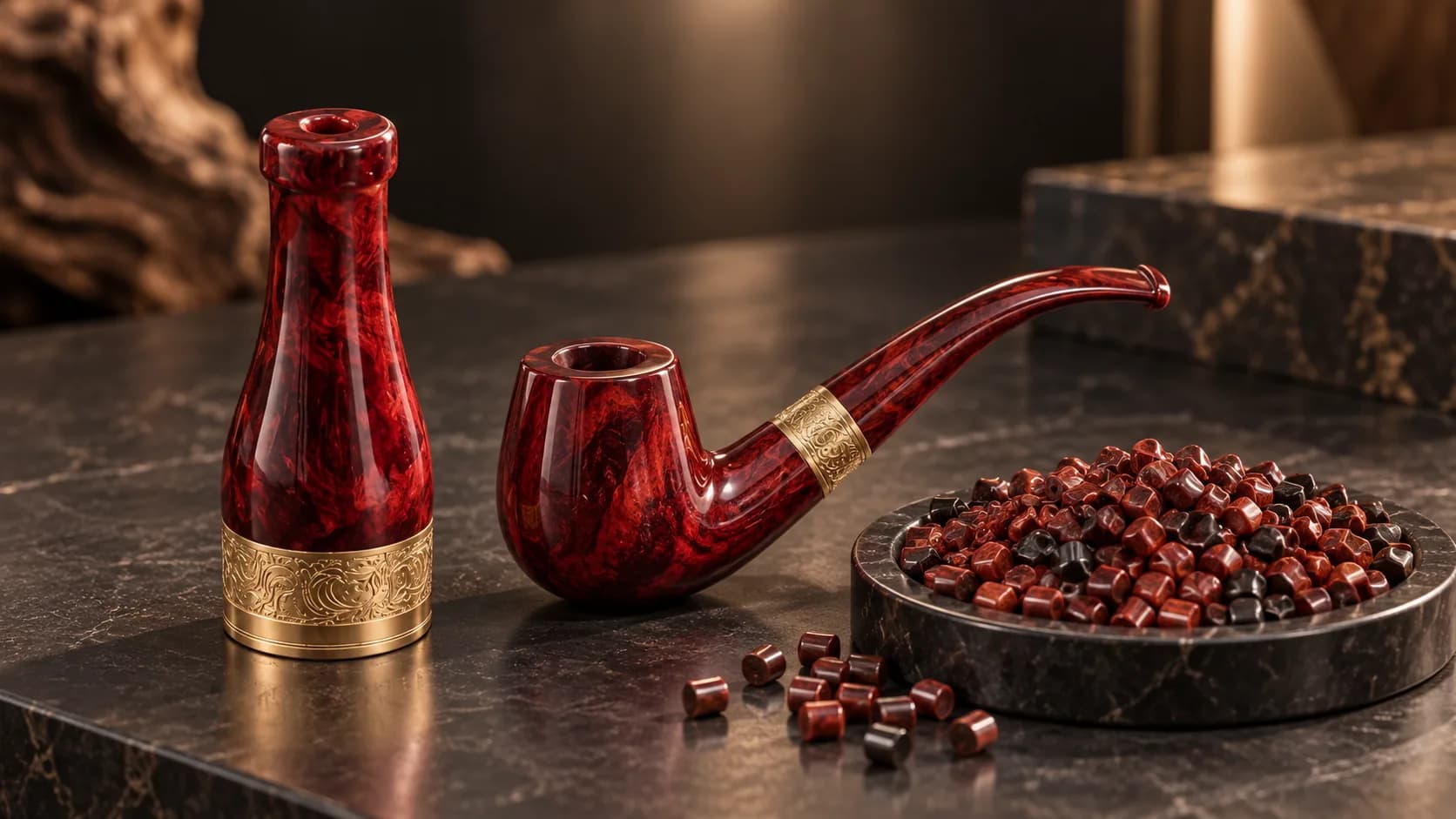
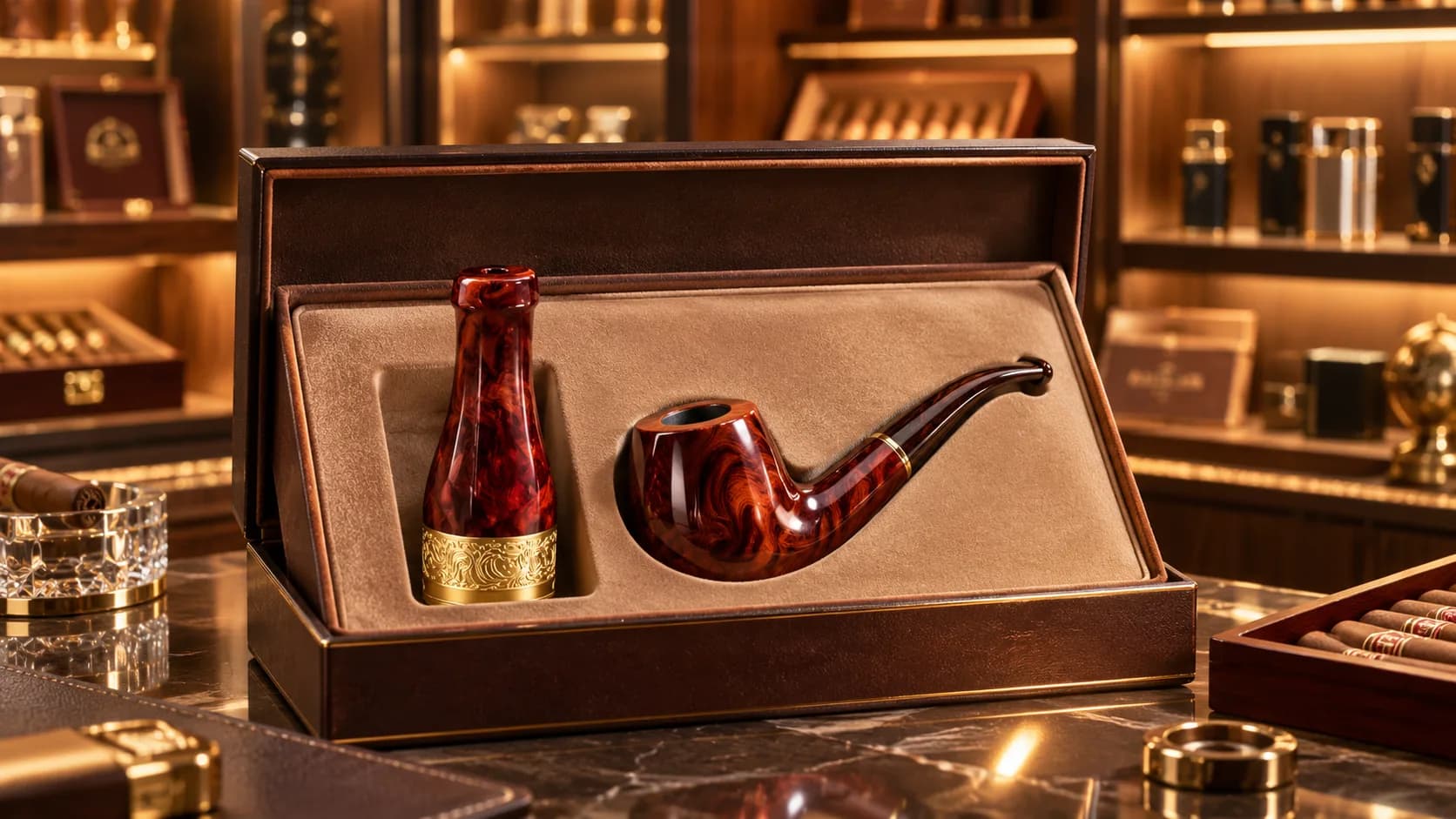
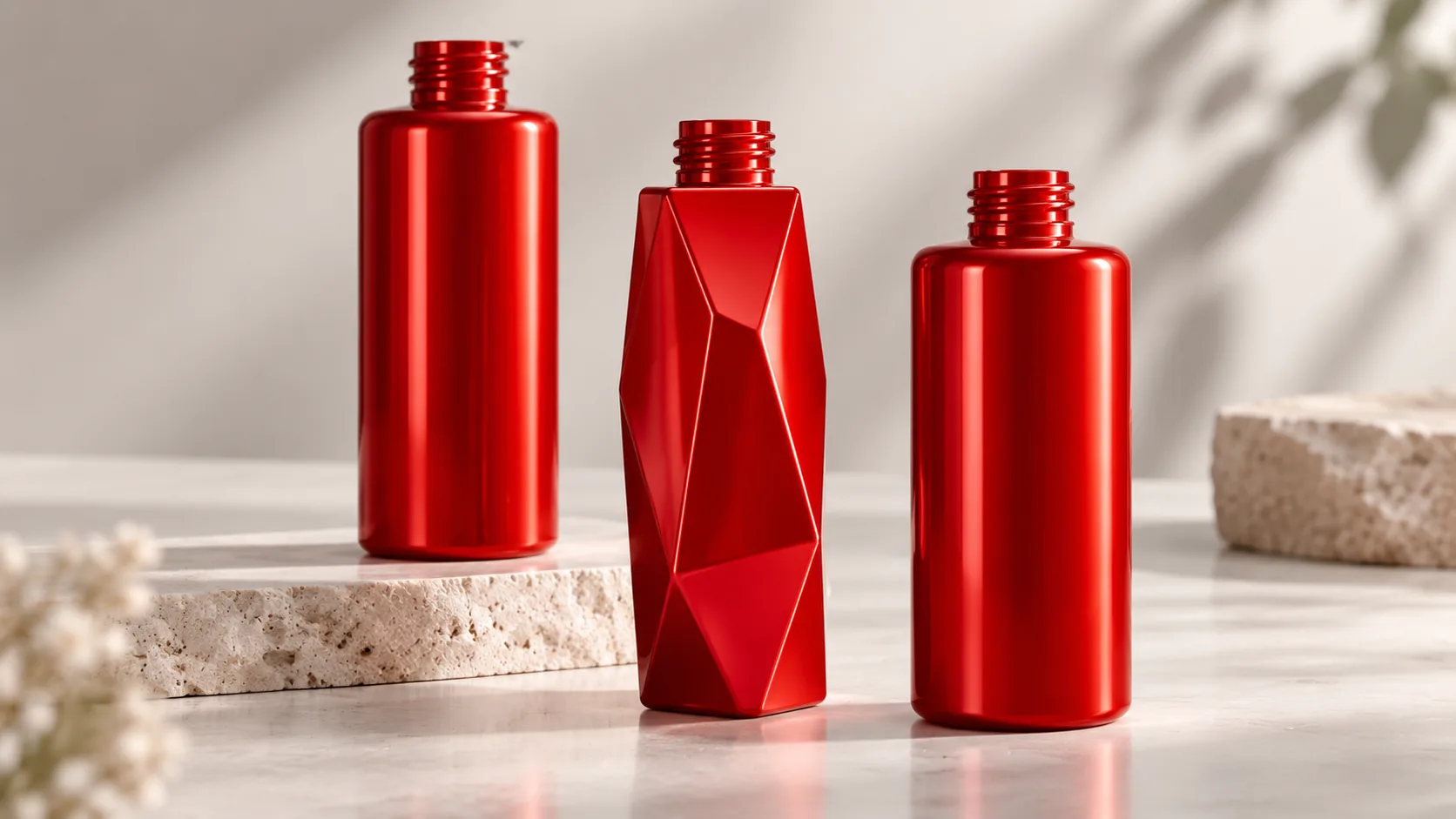
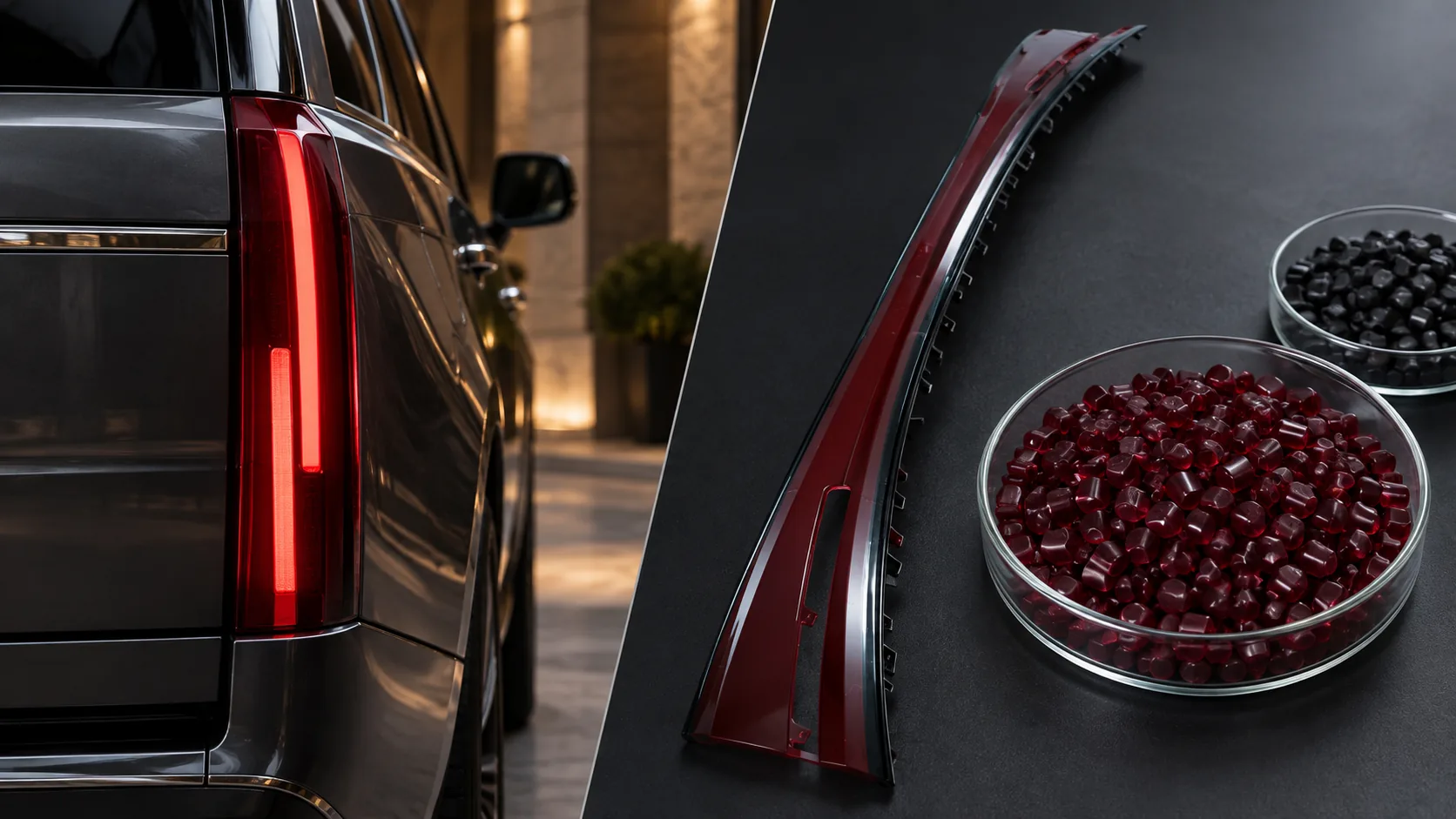
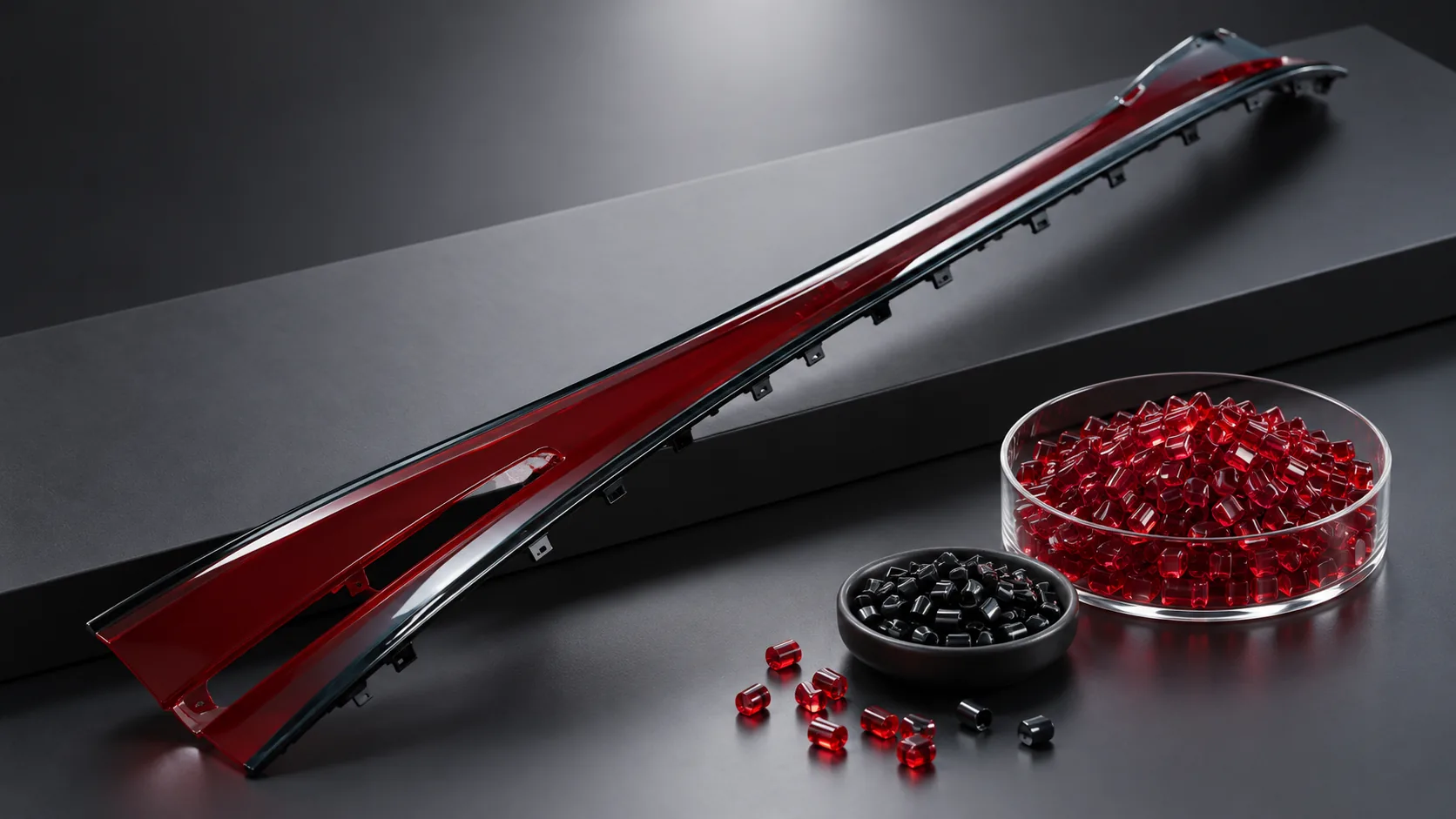
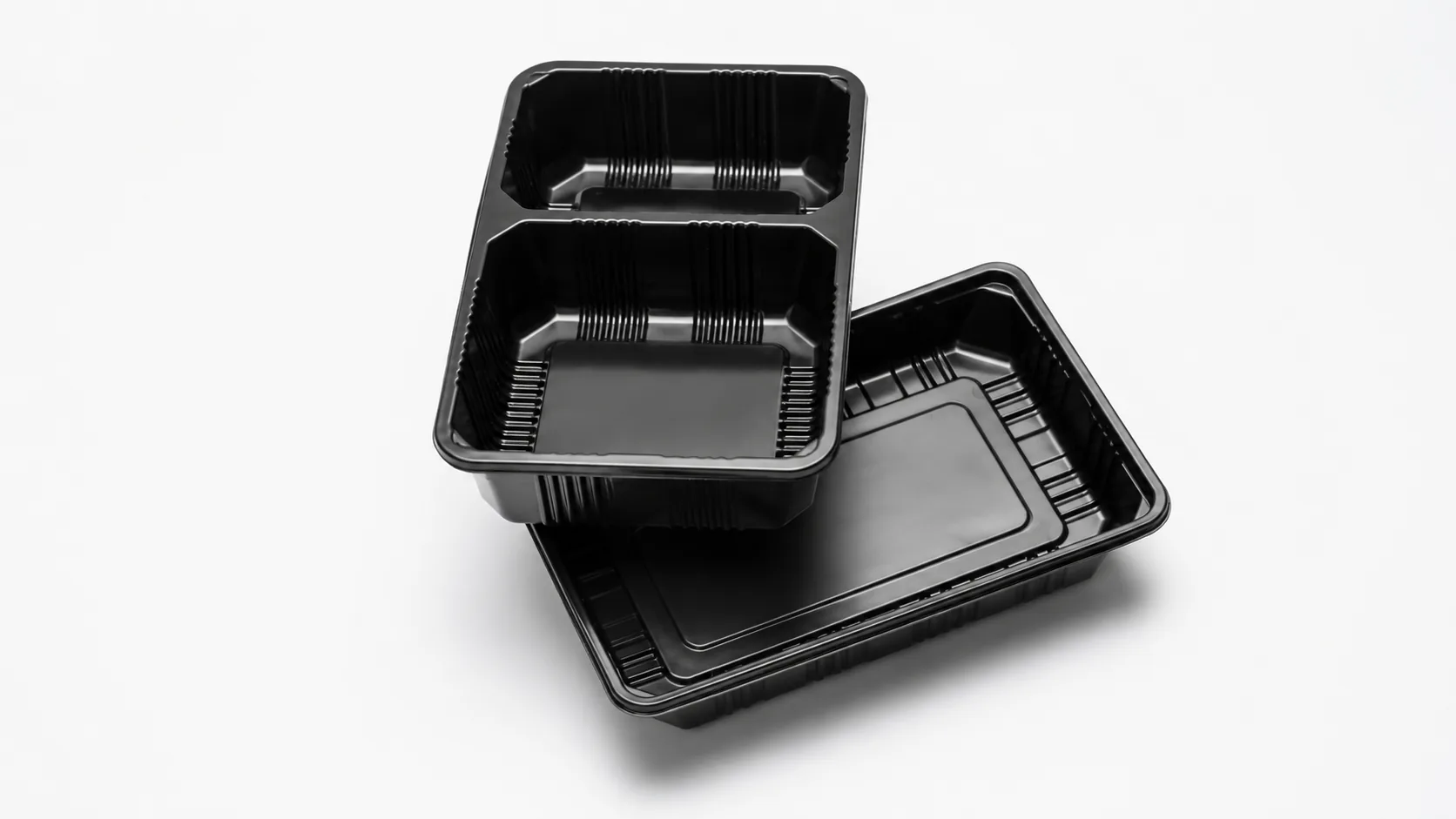
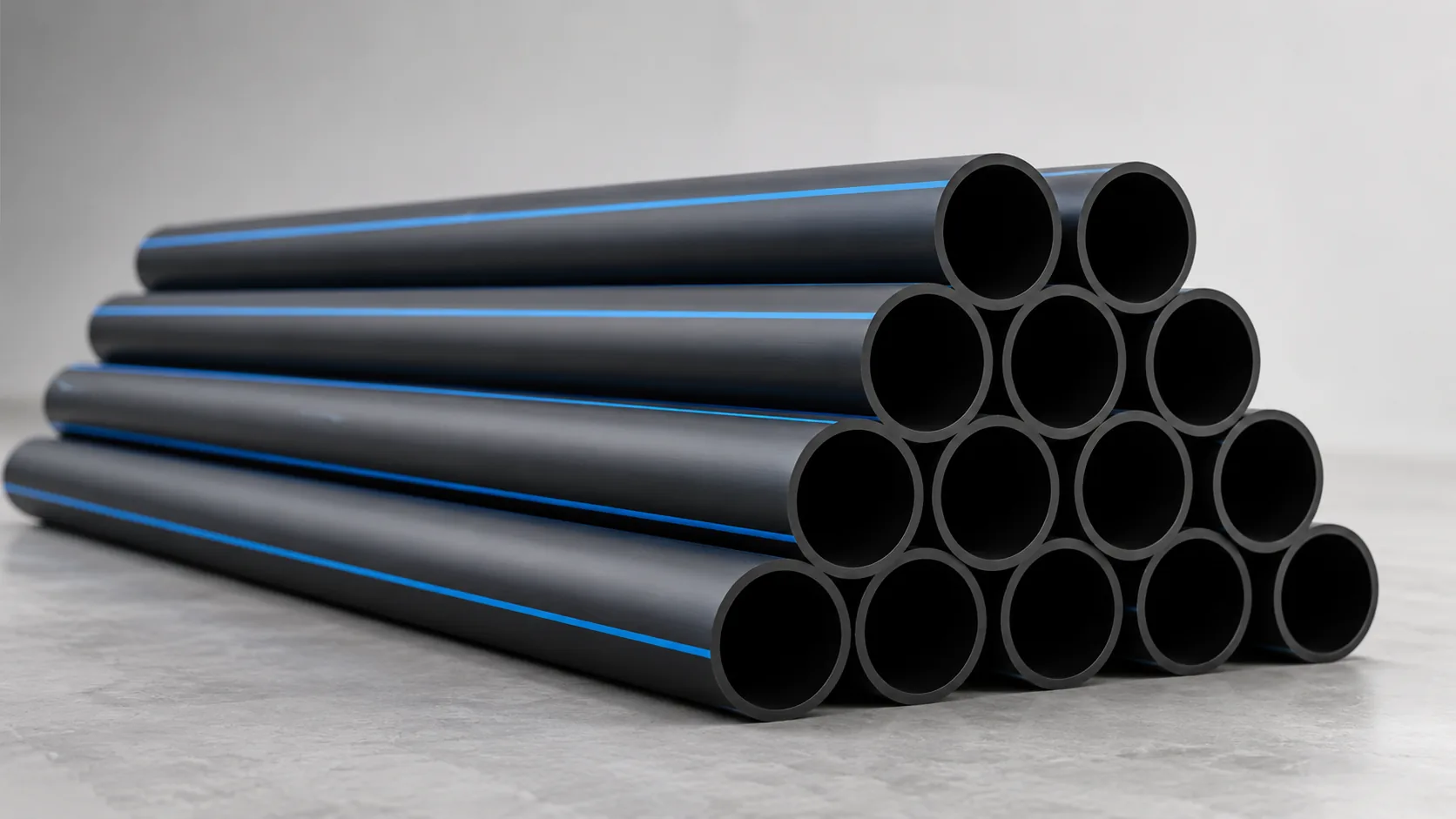
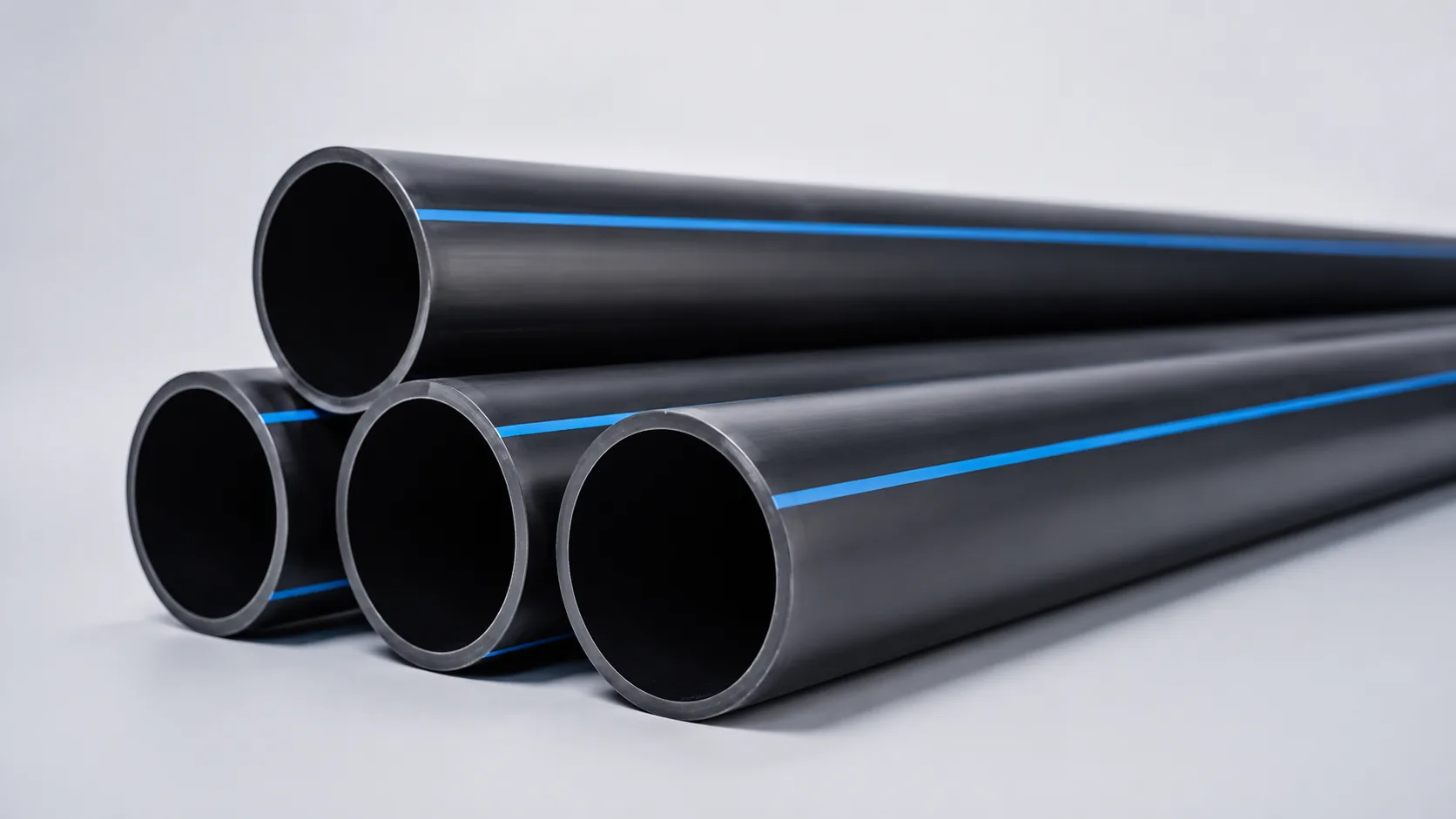
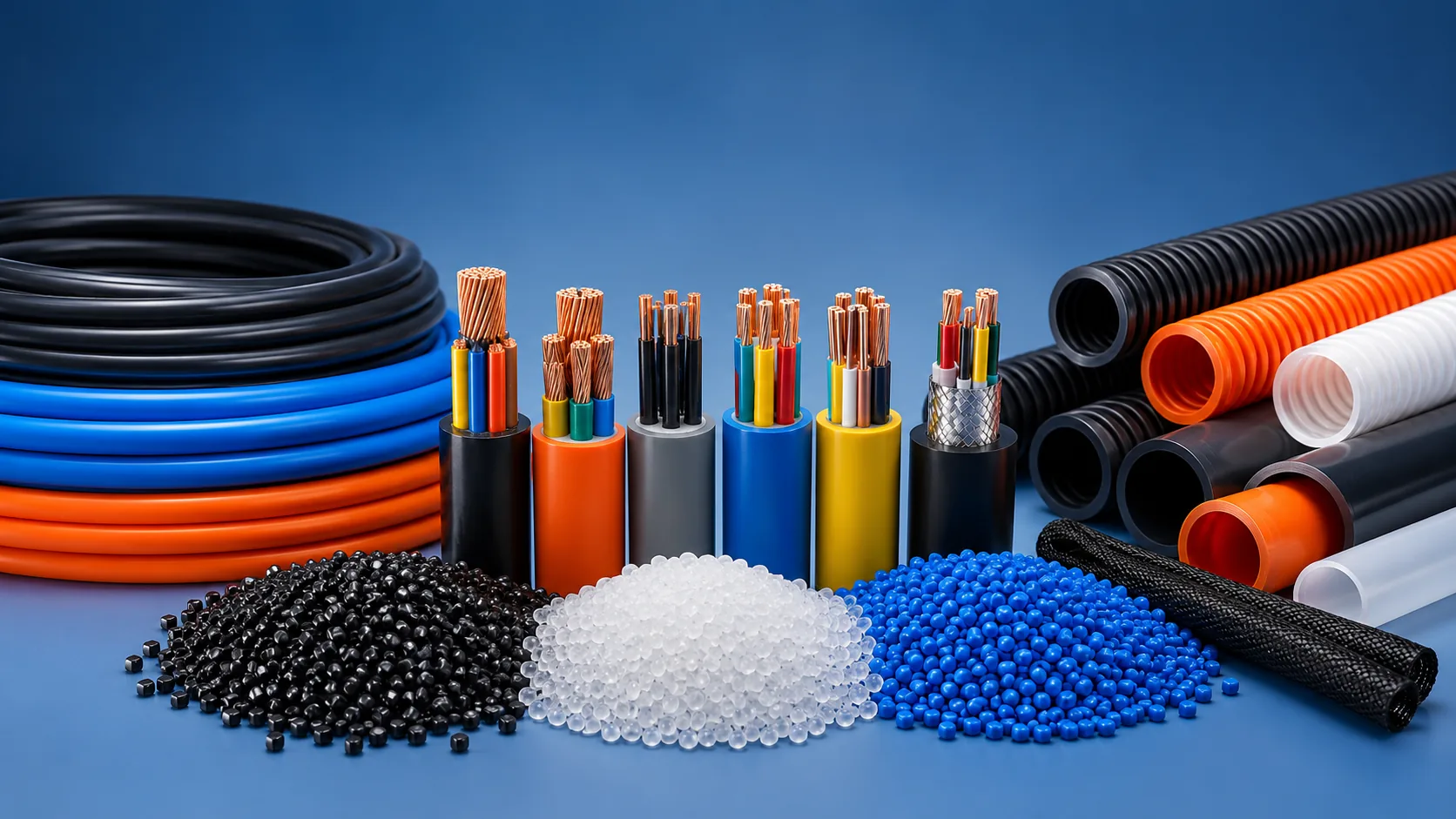
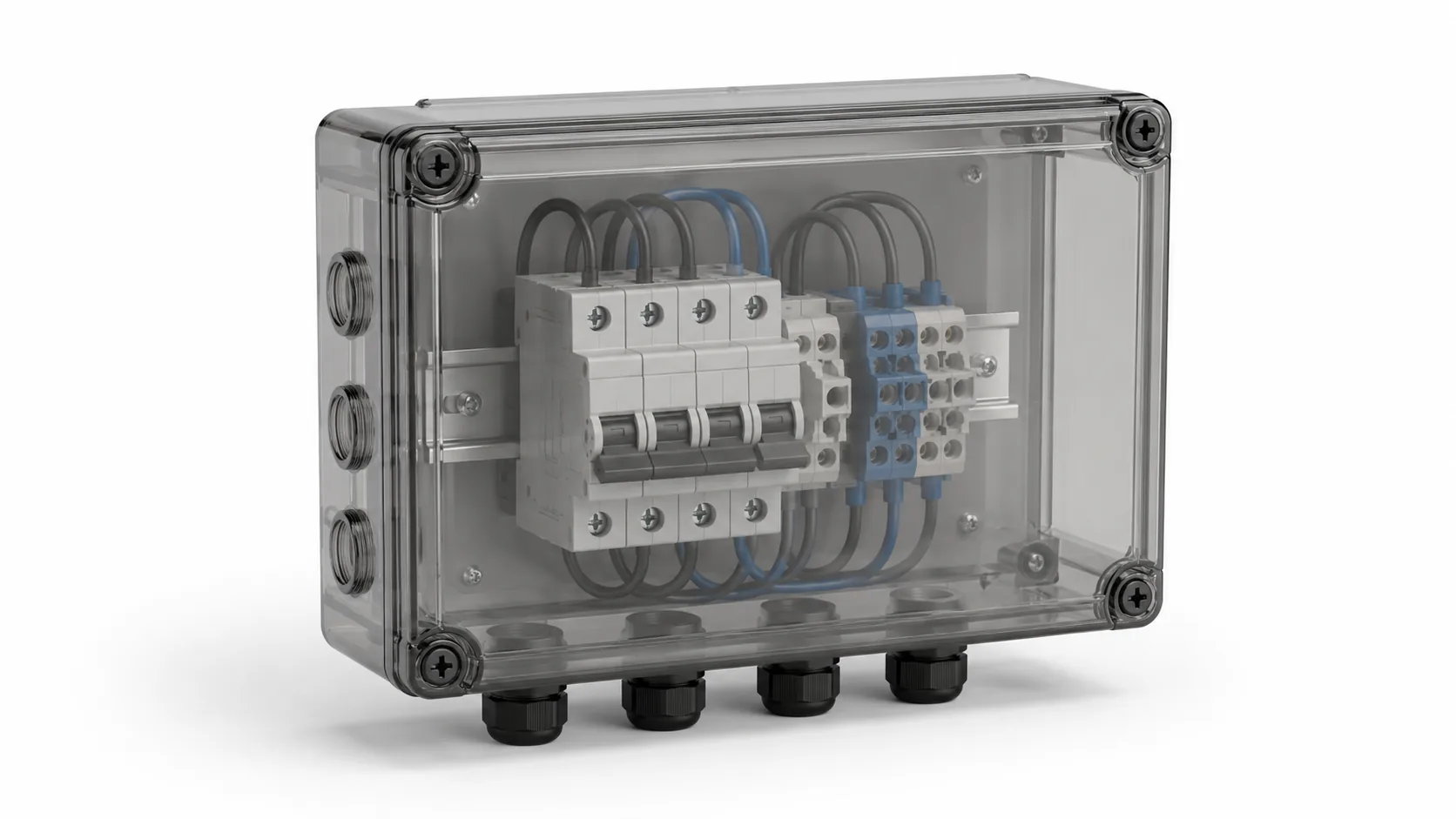
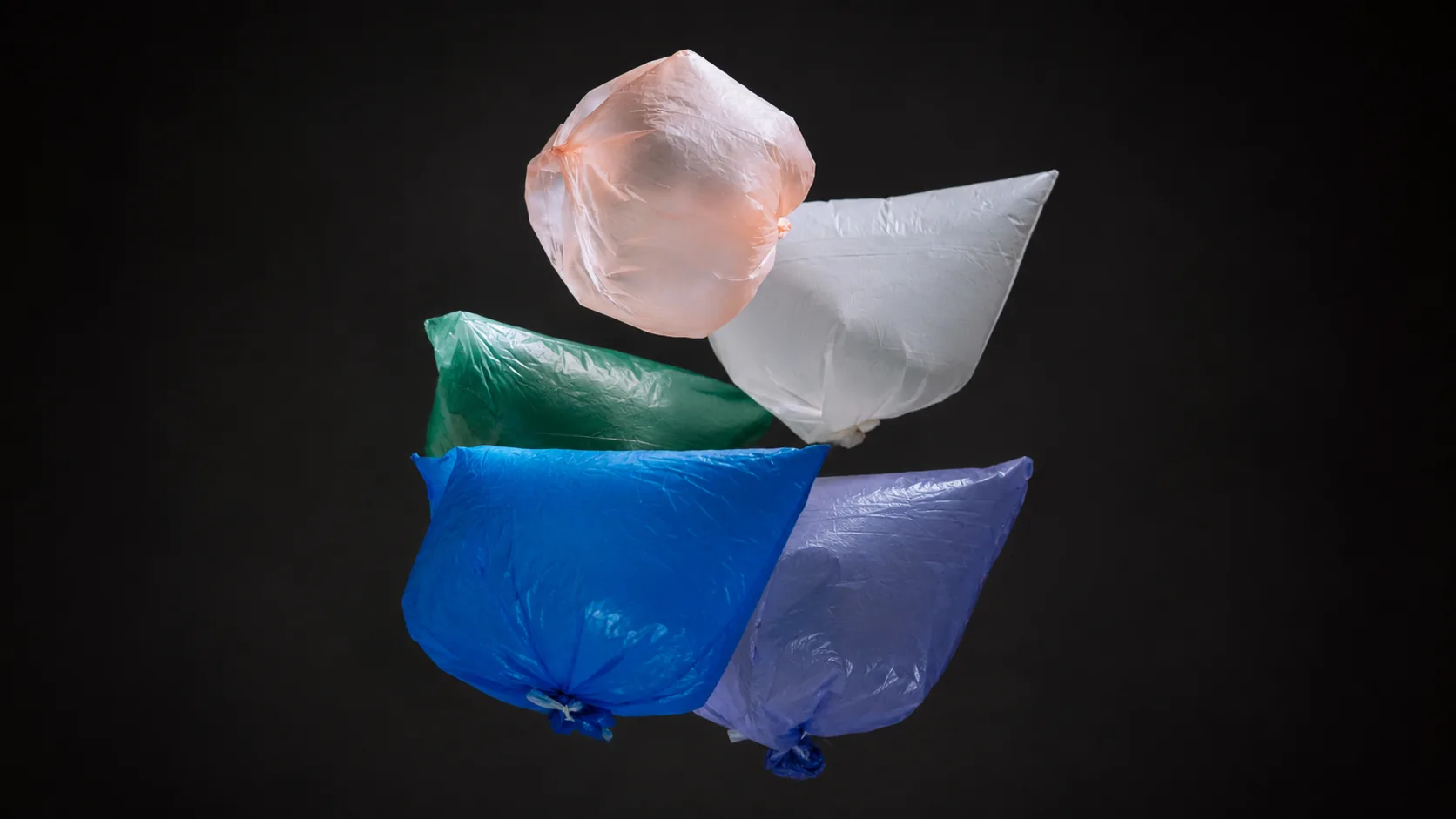
Finished parts produced with ZFH® masterbatch — marble-effect tableware and home décor, high-gloss paint-free automotive trim and lighting bezels, black masterbatch pipe, film, cable and packaging, plus color, white and recycled grades.









Find Your Grade
Match a Masterbatch to Your Line
Tell us your resin, process and priority — we will point you to a starting grade. Final selection is confirmed with a sample and TDS.
Select one option in each row to see a suggested direction.
Product Catalog
Masterbatch Series
Over 60 carbon black, color and functional masterbatch formulations across polyolefins and engineering plastics — 8–50% carbon black, addition rate 1–4%.
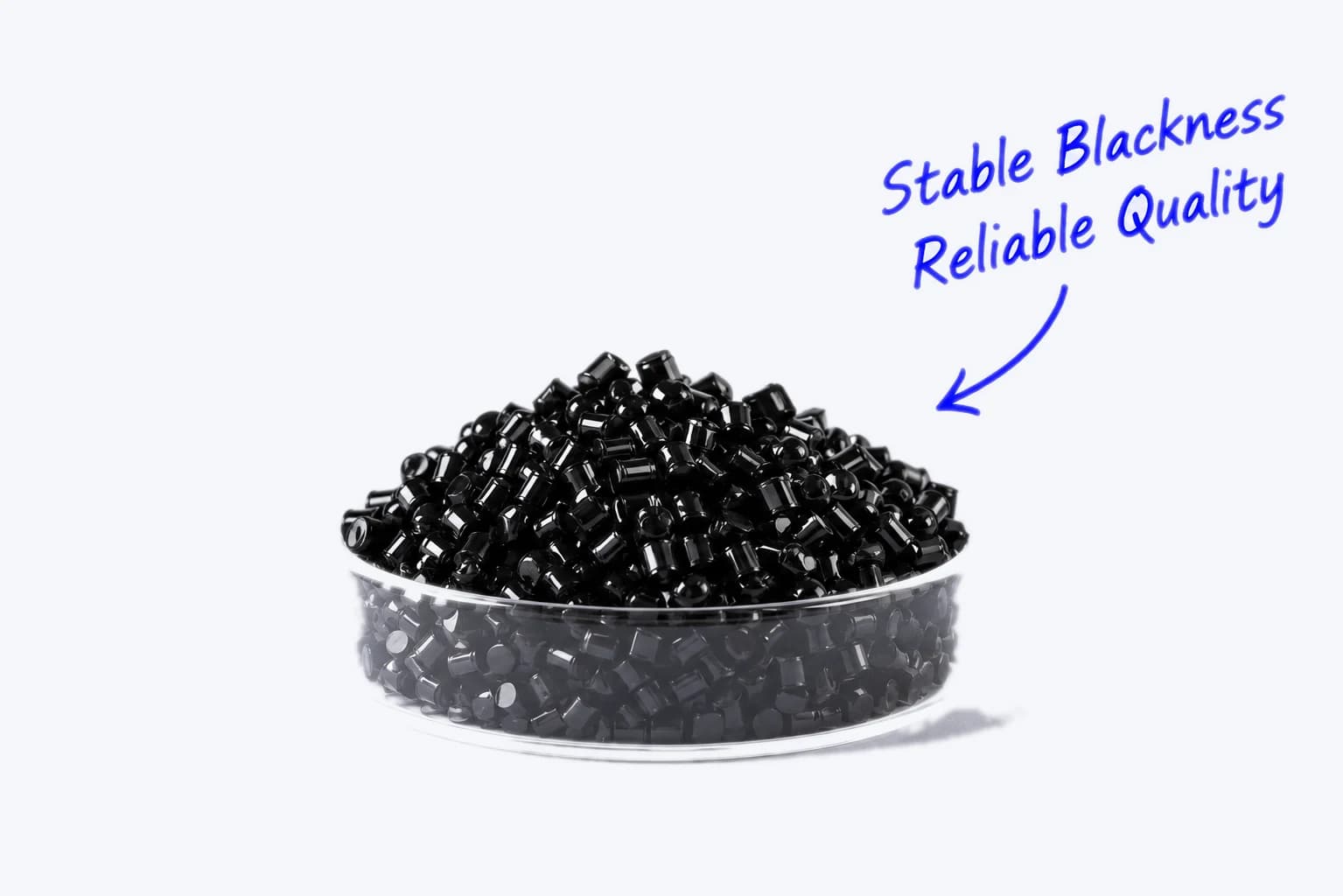
Standard PE/EVA Black Masterbatch
Flagship carbon black masterbatch on an LDPE/LLDPE/EVA carrier, 30–50% CB, for blown film, molding and extrusion.
View product →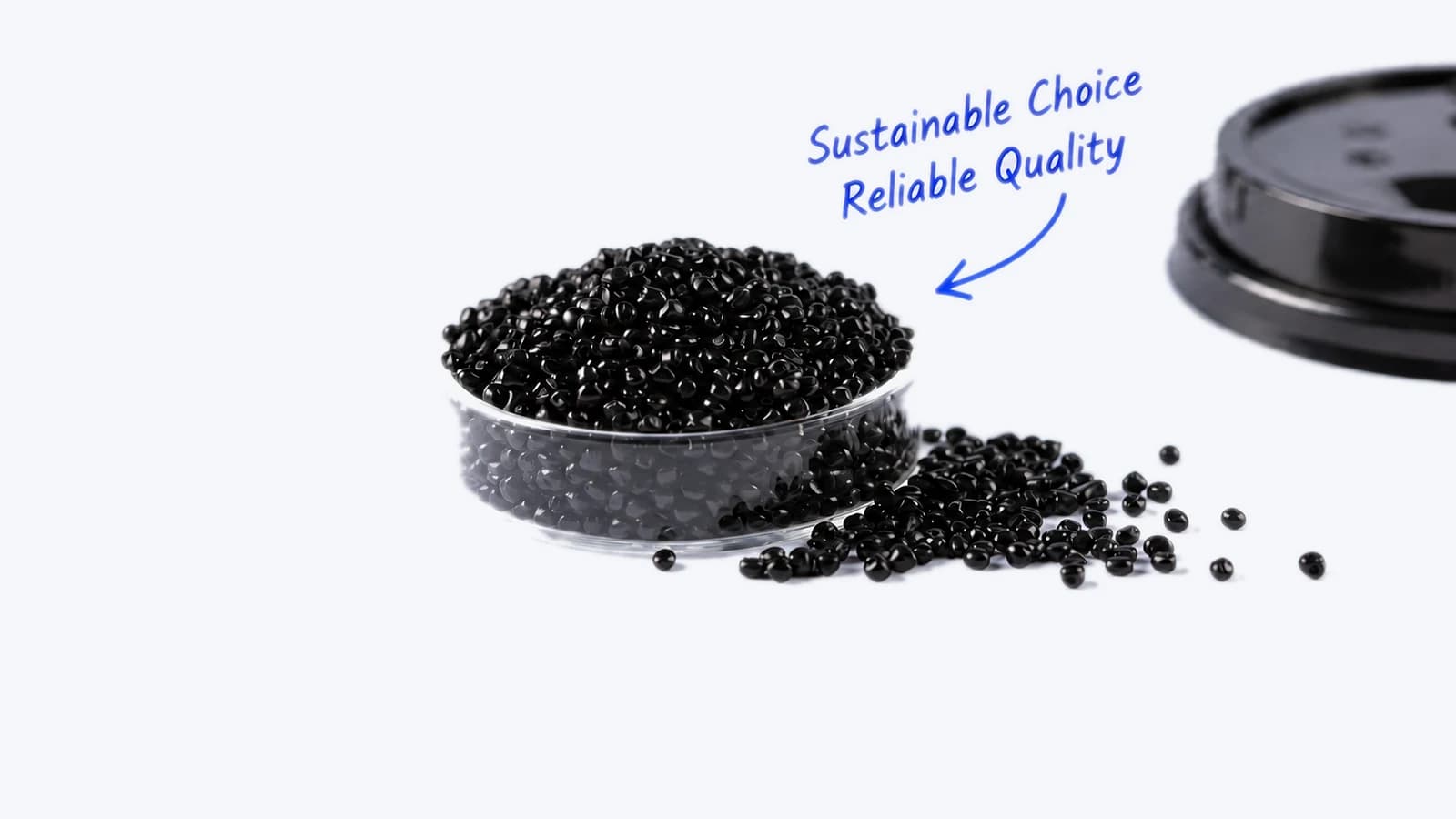
rPE Recycled Black Masterbatch
Cost-effective carbon black masterbatch on a recycled polyethylene carrier, 10–49% CB, for price-sensitive film and molding.
View product →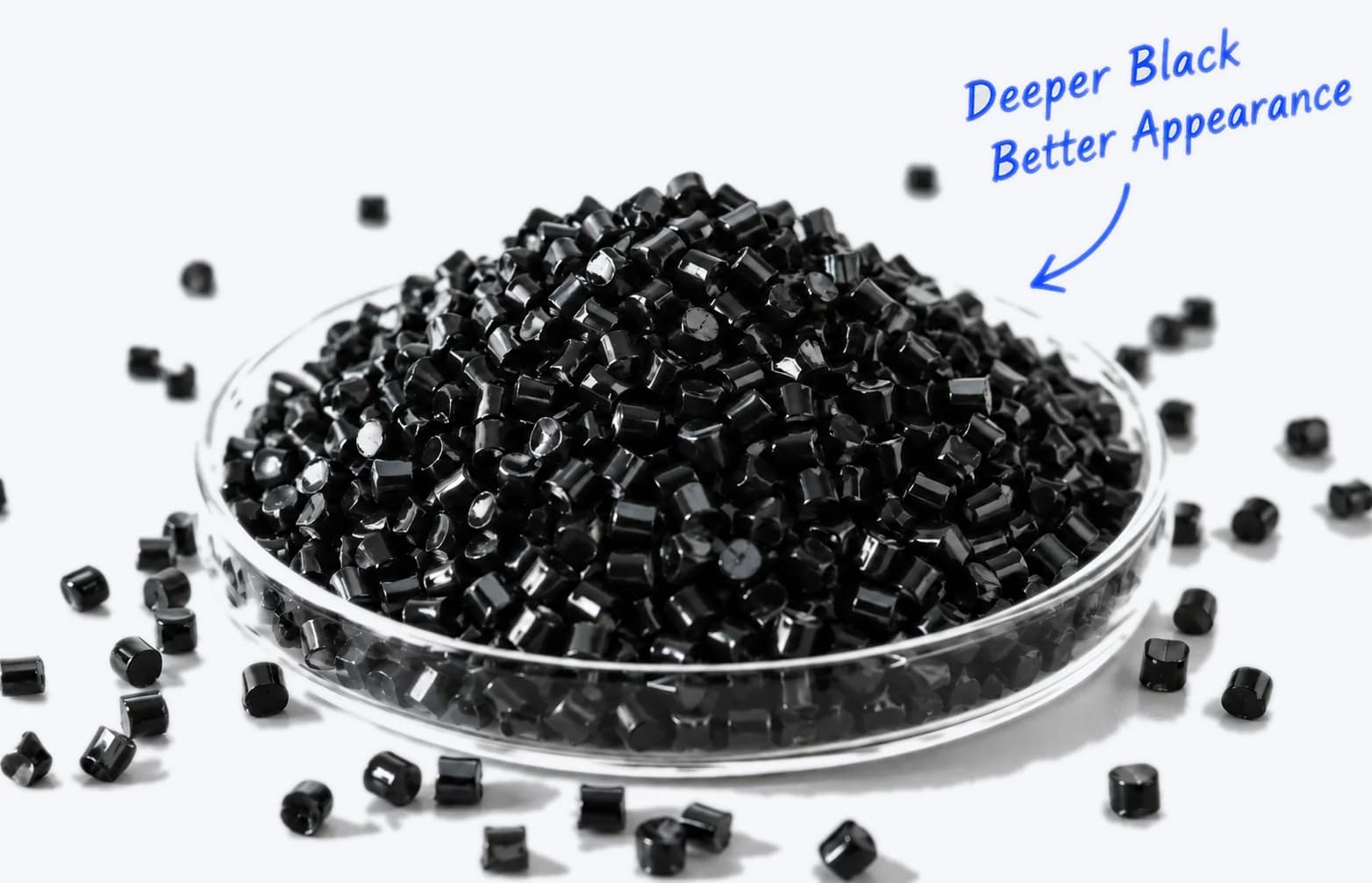
High Jetness / High Color Black Masterbatch
Premium jet-black masterbatch using Cabot high color black (HCB) pigment, 15–49% CB, for high-gloss, premium parts.
View product →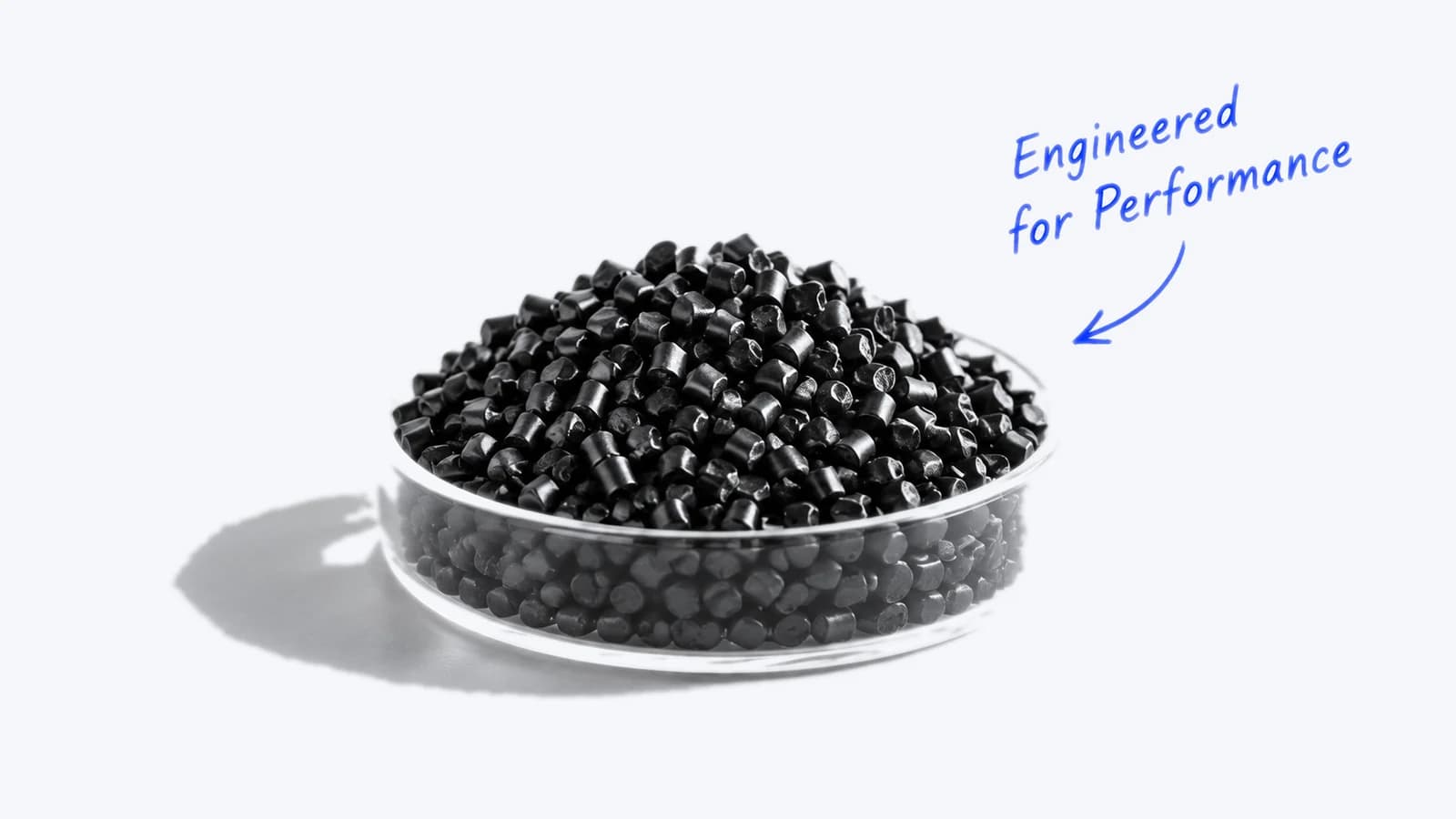
Engineering Plastics Masterbatch (SAN/PC/PA/ABS/POM)
Filler-free, high-purity black masterbatch formulated for engineering resins — SAN, PC, PA, ABS and POM.
View product →Applications
Engineered for Every Polymer
From pressure pipe and cable to packaging with grade-specific food-contact review — grades matched to each application's resin, opacity, UV and processing requirements.
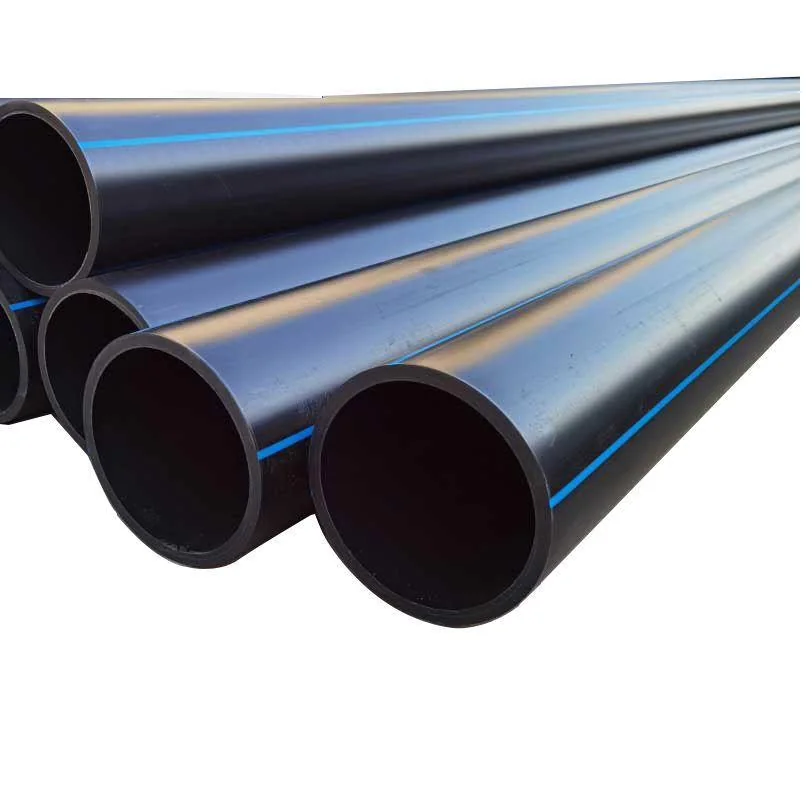
Pipe & Fittings
UV-stable carbon black masterbatch for HDPE/PP pressure pipe, drainage pipe and injection-moulded fittings.
Explore →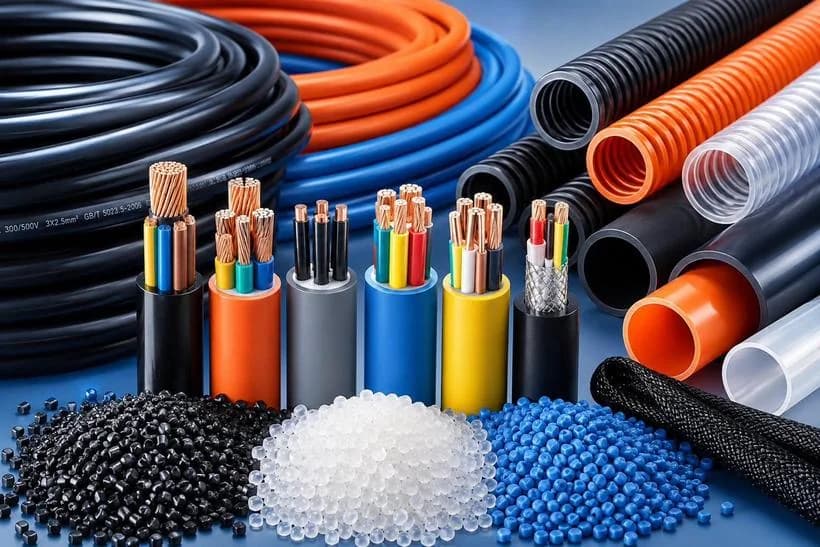
Wire & Cable
High-dispersion carbon black masterbatch for wire & cable jacketing, insulation compound and protective conduit.
Explore →
Agriculture & Horticulture
Anti-UV black masterbatch for greenhouse, mulch and silage film, plus durable grow bags and planters.
Explore →
Home & Kitchen Appliances
Heat- and scratch-resistant masterbatch for appliance housings, kettles and kitchenware (ABS, PP, PA).
Explore →
Consumer Electronics & Audio
Even jet-black color and fine finish for headphones, earbuds, speakers and electronics casings (PC, ABS, SAN).
Explore →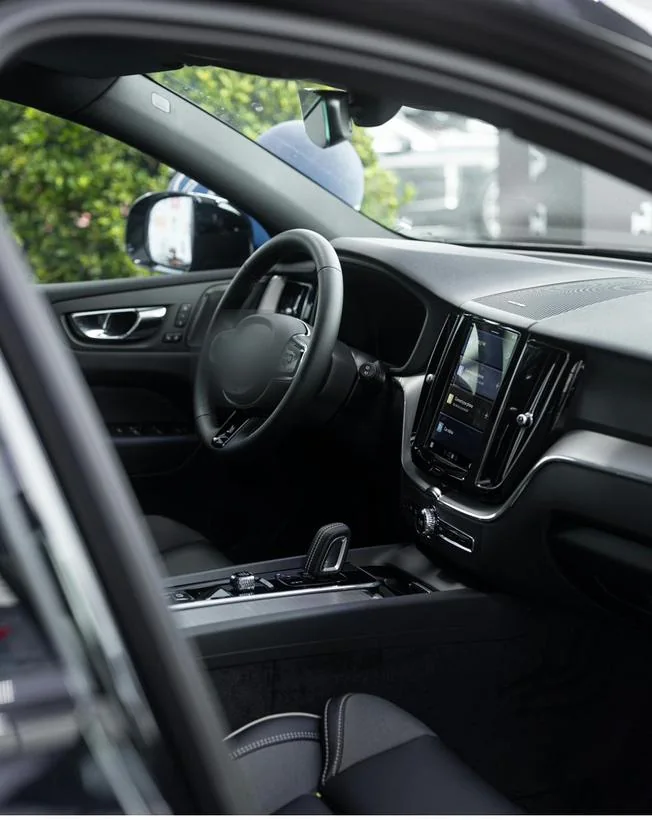
Automotive Components
Weatherable, low-VOC carbon black masterbatch for interior trim, dashboards and under-the-hood parts.
Explore →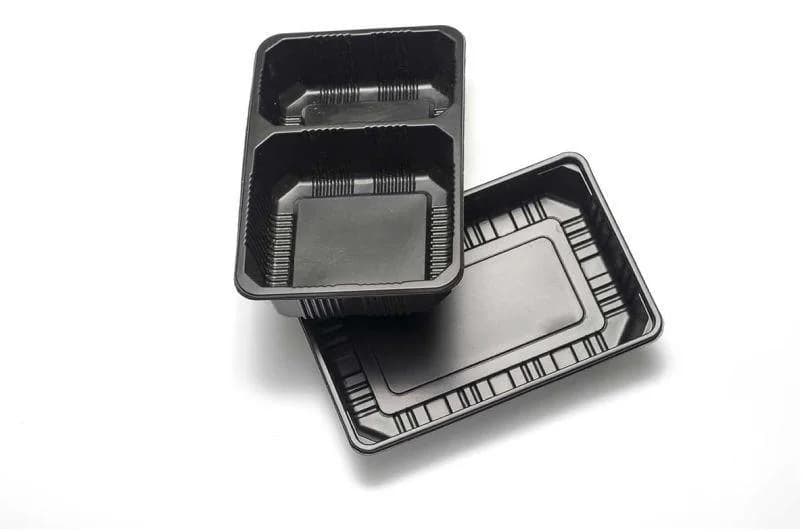
Food-Contact Packaging
Masterbatch options for PE and PP packaging applications requiring grade-specific food-contact assessment.
Explore →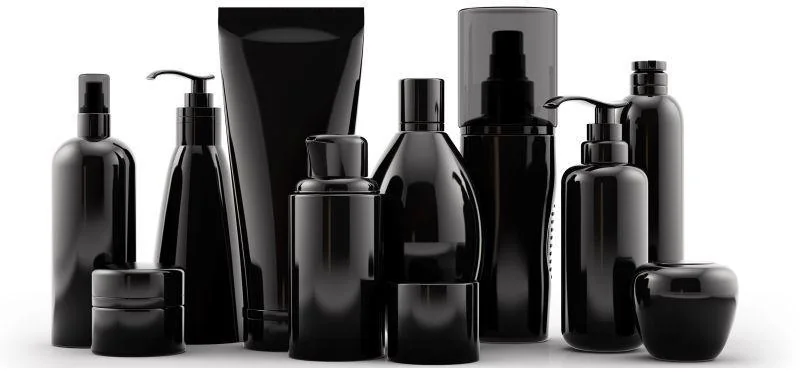
Cosmetic & Household Bottles
Premium, uniform jet-black and color masterbatch for blow-moulded HDPE/PET bottles and closures.
Explore →How It's Made
From Pigment to Pellet
High-intensity two-stage twin-screw extrusion delivers the dispersion and batch-to-batch consistency our grades are known for.
Raw Material Selection
Carrier resin (LLDPE, EVA, SAN, PA) and carbon black grade (ISAF, HAF, HCB, rCB) selected to match the client's base resin and performance requirements.
High-Intensity Pre-mixing
Carbon black, carrier resin, and additives (PE WAX, EBS) are blended at high intensity to ensure uniform pre-dispersion prior to extrusion.
Twin-Screw Extrusion
Two-stage co-rotating twin-screw extrusion achieves optimal shear force, melt temperature, and residence time for complete carbon black wetting and dispersion.
QC Testing & Dispatch
Each batch tested for melt flow index, dispersion quality, and opacity against specification before pelletizing, packaging, and dispatch with documentation.
From the Blog
Masterbatch Knowledge
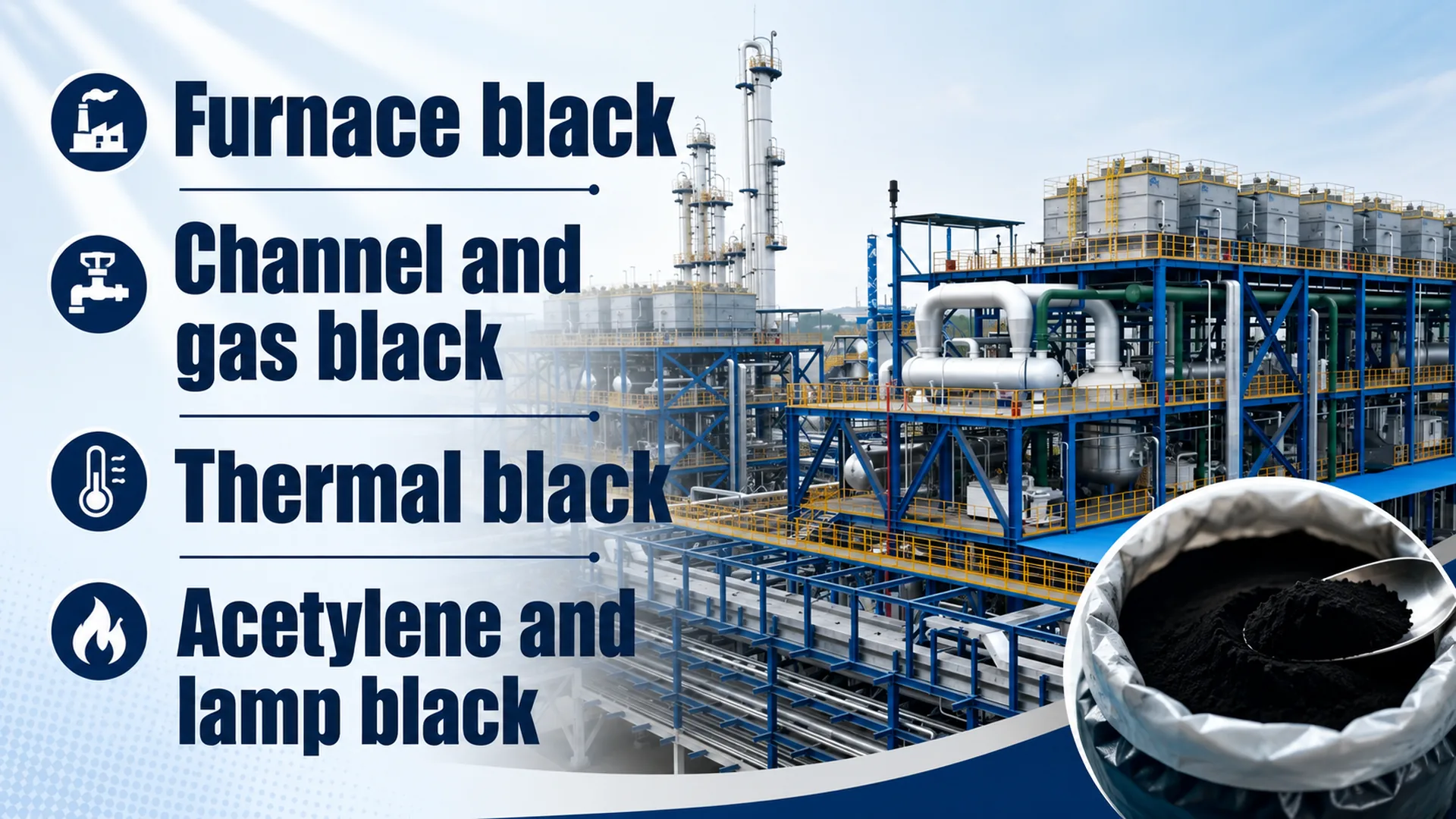
How Carbon Black Is Made: Furnace, Channel/Gas, and Thermal Processes — and What Each One Means for Your Black
The furnace, channel/gas, and thermal processes make very different carbon blacks. Here is how each one works, and how the production route sets particle size, structure, surface chemistry, and purity — the levers that decide how a black masterbatch performs.
Read article →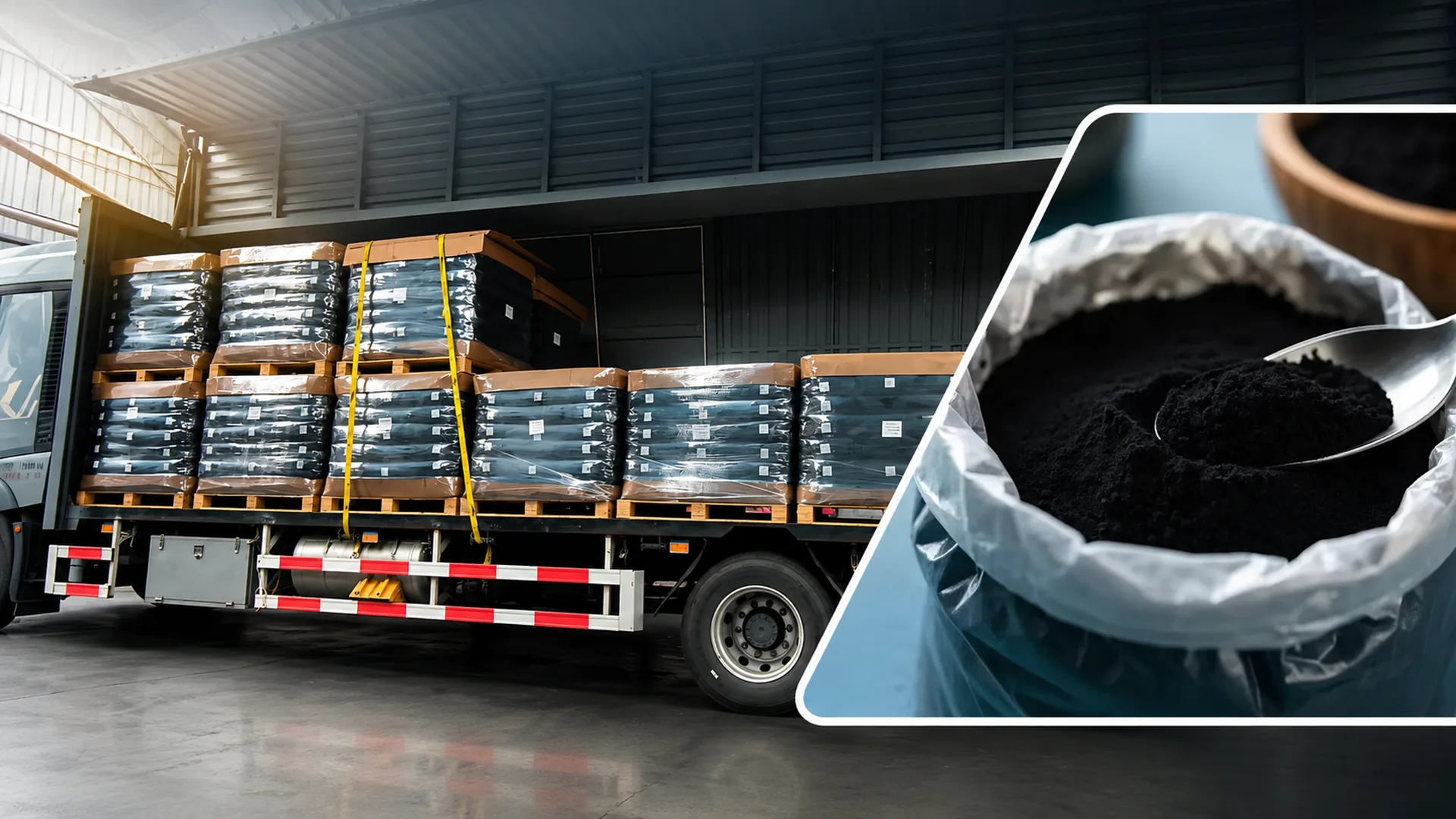
How to Read Carbon Black ASTM N-Numbers (N220, N330, N550) — and Why It Matters for Masterbatch
An ASTM N-number like N330 encodes a cure-rate letter, a surface-area digit, and two arbitrary digits — but not structure. Here is how to read each part, and why the N-system is a rubber standard that plastics masterbatch buyers should read differently.
Read article →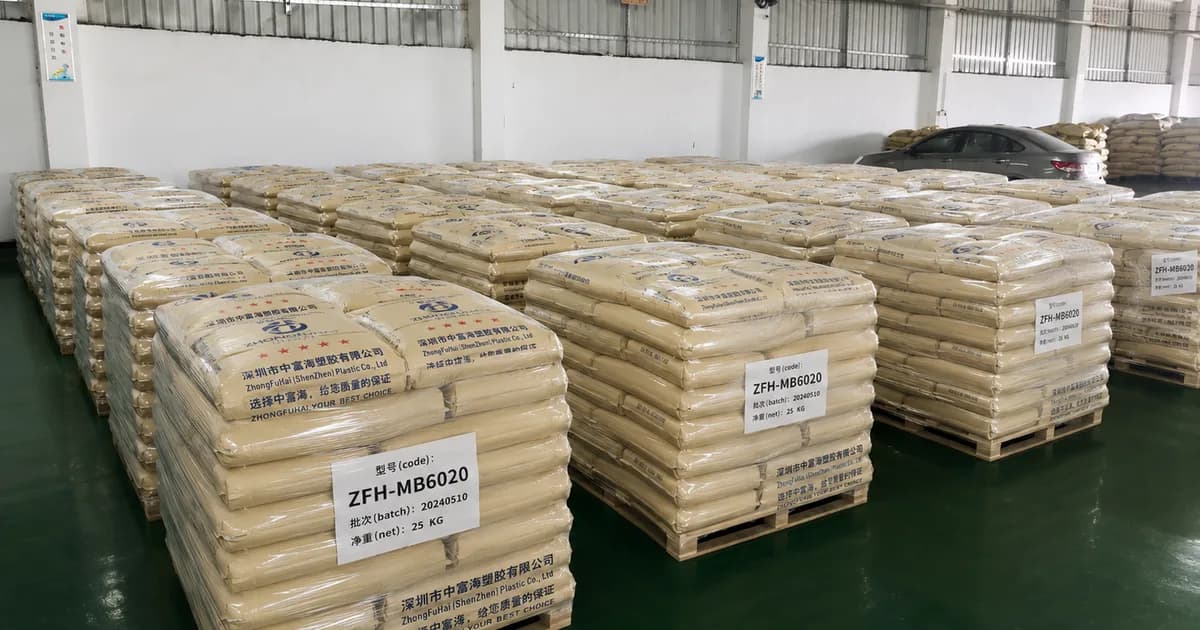
Can Recycled Black Masterbatch Be Fully Compliant? How Our 6020 Grade Passes RoHS, REACH, California Prop 65 and PAHs
Recycled black masterbatch can meet full international compliance. See how ZFH's recycled 6020 grade passes RoHS, EN 71-3, REACH, California Prop 65 and PAHs.
Read article →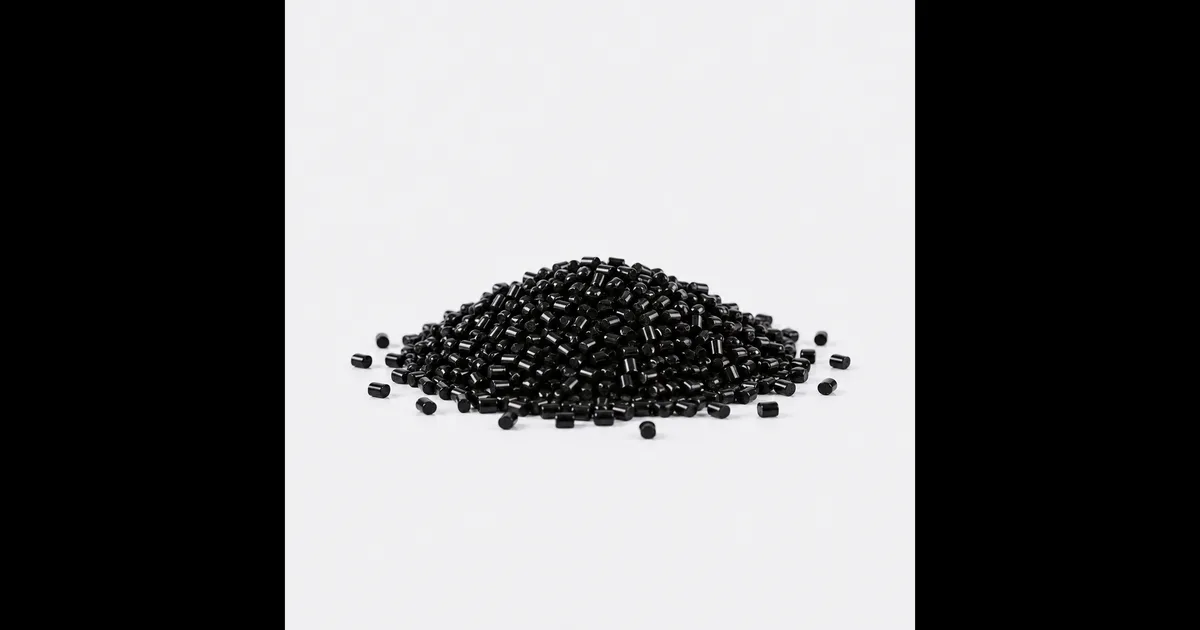
Carbon Black in Masterbatch: Particle Size, Structure and How They Affect Blackness
How carbon black particle size and structure affect jetness, dispersion and conductivity in black masterbatch — with the key ASTM test standards explained.
Read article →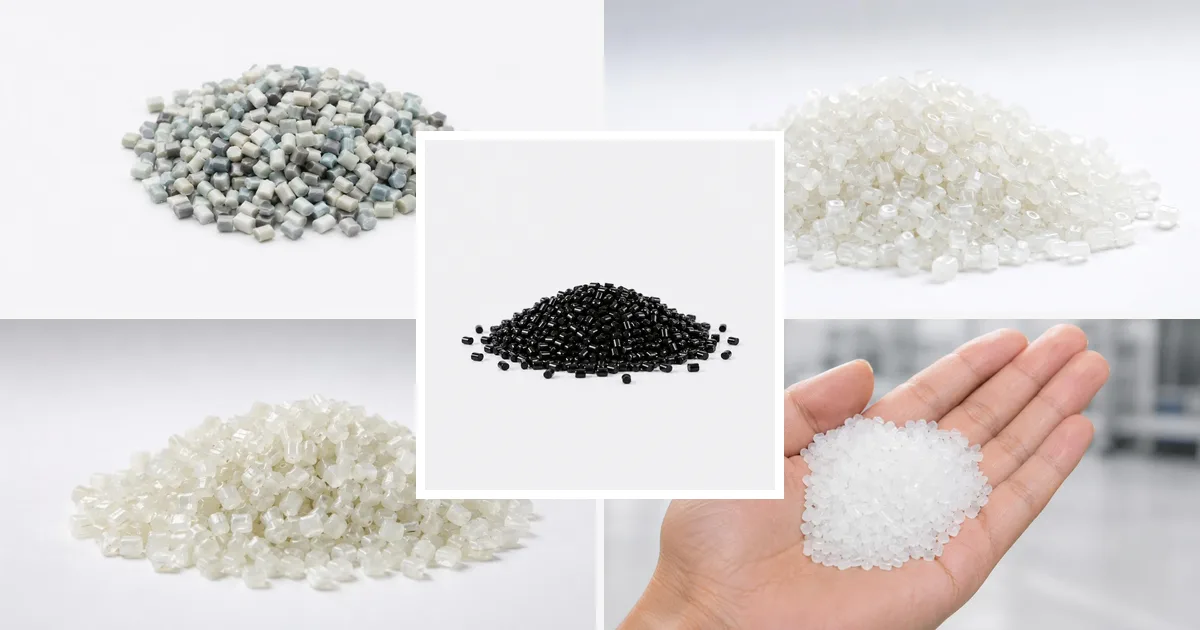
Recycled Black Masterbatch: rPE, rCB and Sustainable Grades Explained
Recycled black masterbatch explained: rPE carriers, recycled carbon black (rCB), performance vs virgin grades, and how to choose a sustainable grade.
Read article →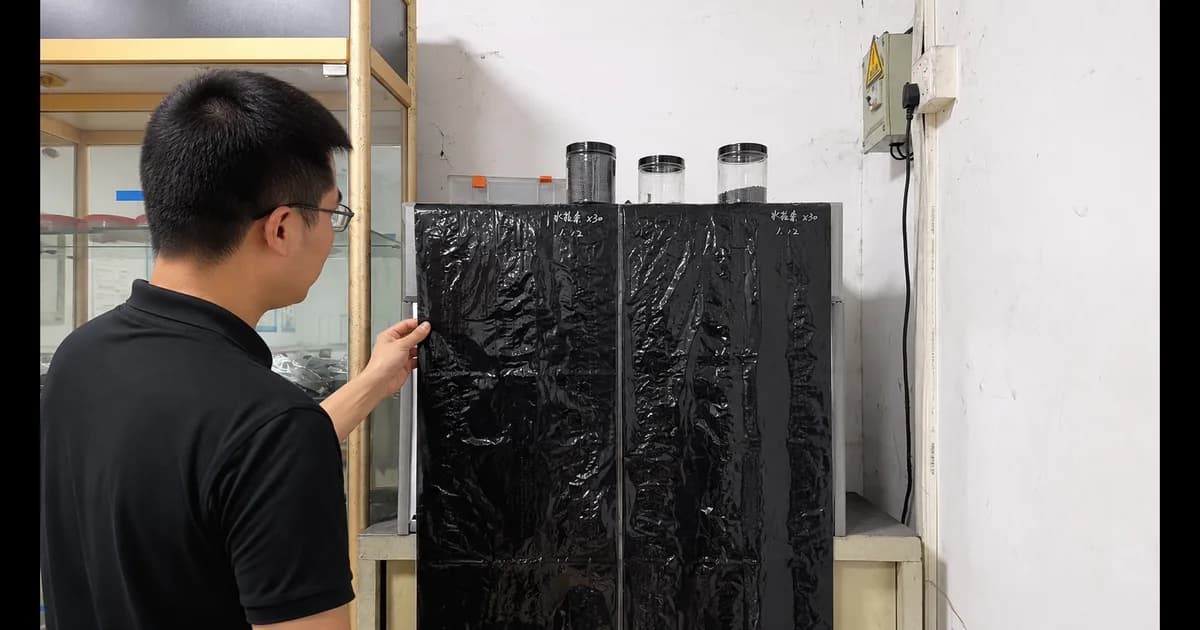
How to Choose a Black Masterbatch Supplier: A Buyer's Checklist
How to choose a reliable black masterbatch supplier: what to check on dispersion, compliance, consistency, samples and pricing before you commit to volume.
Read article →Read more articles

Black Masterbatch Explained: Composition, Manufacturing, Types & How to Choose
A complete guide to black masterbatch: what it's made of, how it's manufactured, the main types and CB content ranges, and how to choose and verify the right grade.
Read article →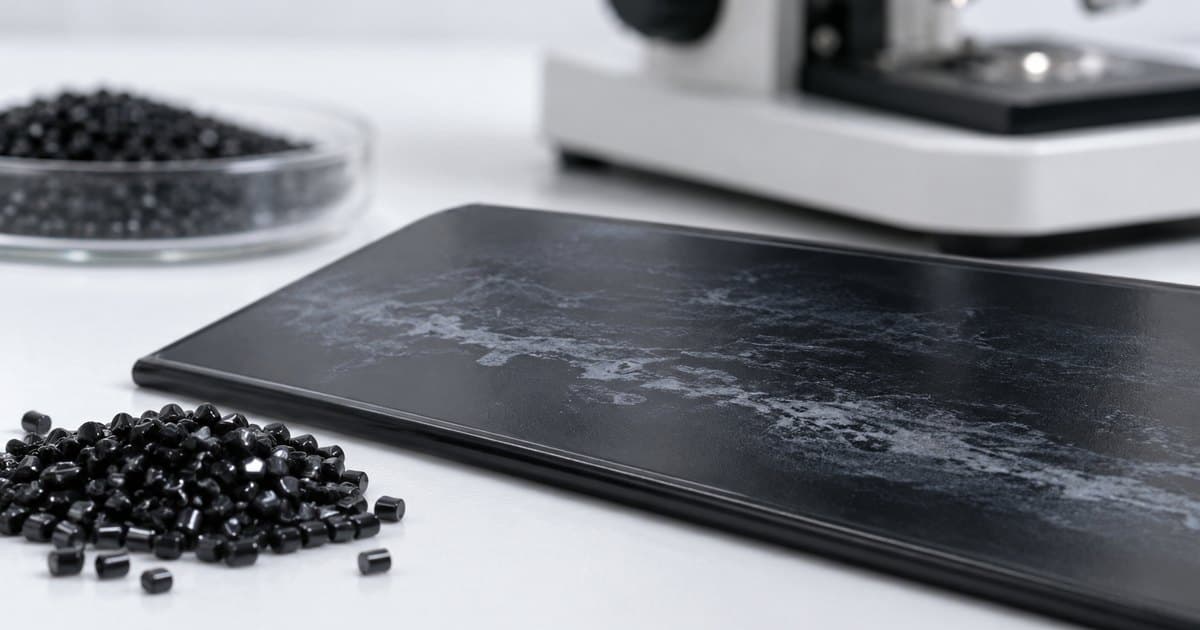
Why Black Masterbatch May Cause Blooming or Migration
Learn how to evaluate black masterbatch blooming migration for plastic parts where surface appearance changes after processing or storage, including dispersion, carrier compatibility, processing fit, quality control notes, and buyer confirmation points.
Read article →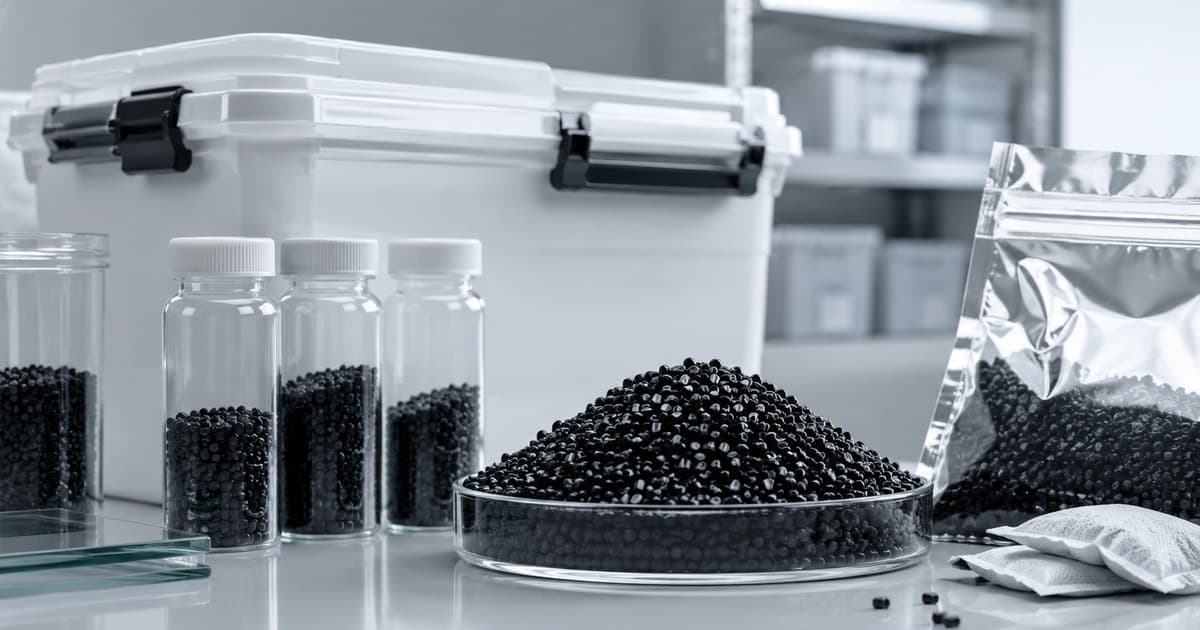
Storage Precautions for Black Masterbatch
Learn how to evaluate black masterbatch storage precautions for warehouses, processors, and purchasing teams handling masterbatch inventory, including dispersion, carrier compatibility, processing fit, quality control notes, and buyer confirmation points.
Read article →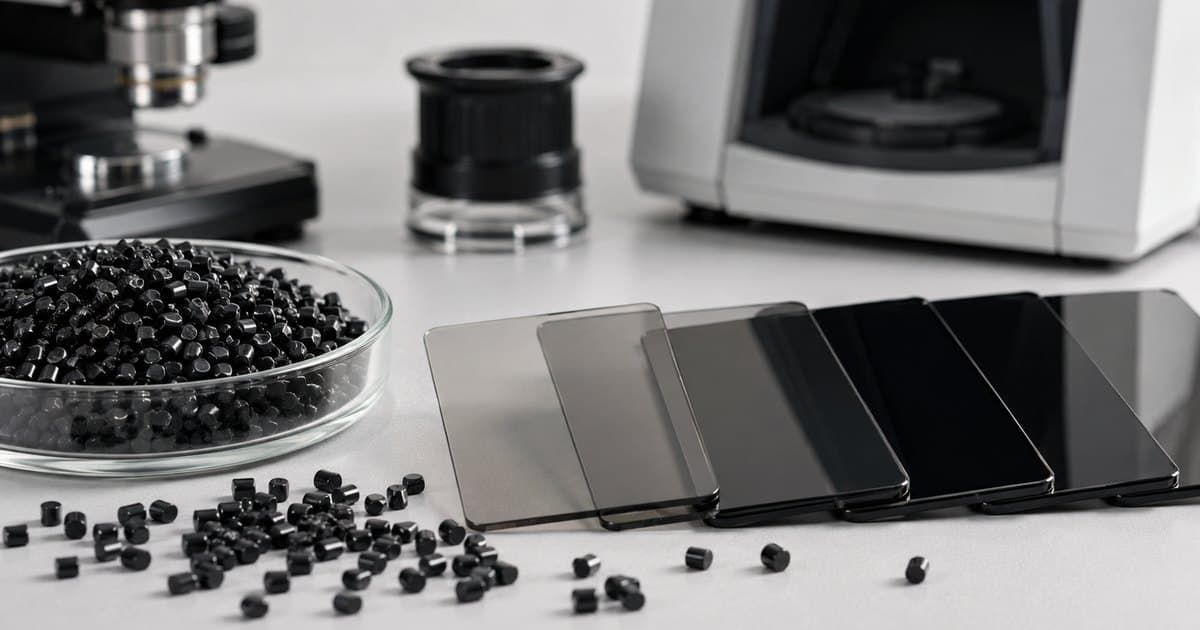
How Carbon Black Particle Size Affects Blackness and Opacity
Learn how to evaluate carbon black particle size blackness opacity for black masterbatch formulation review and application trials, including dispersion, carrier compatibility, processing fit, quality control notes, and buyer confirmation points.
Read article →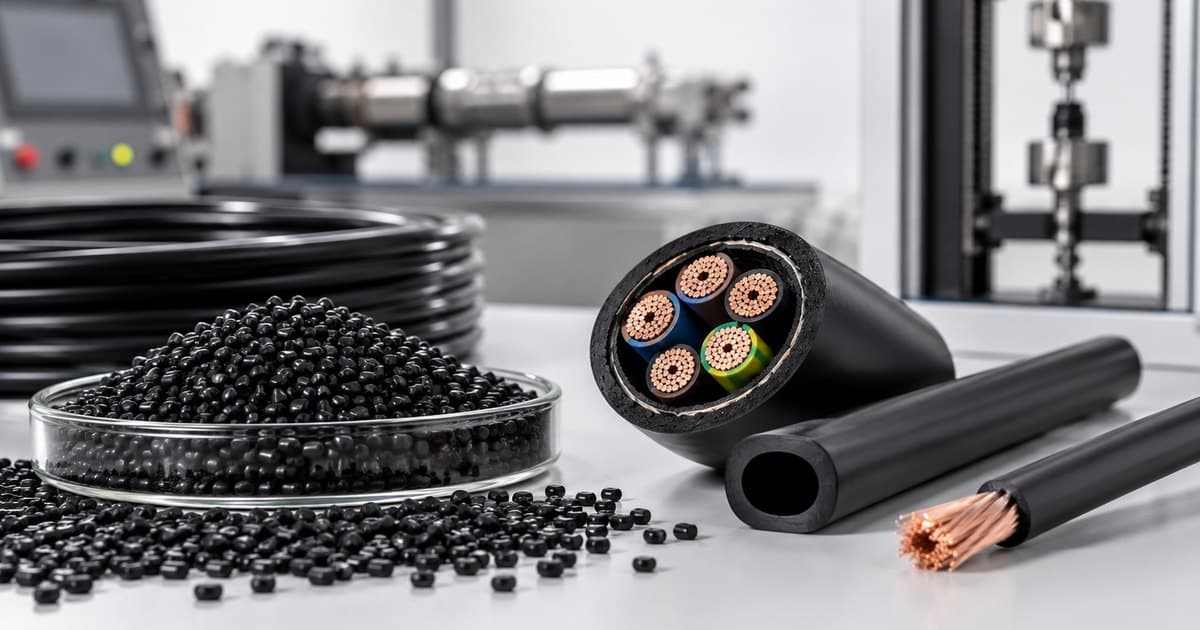
Key Properties of Black Masterbatch for Wire and Cable Materials
Learn how to evaluate wire and cable black masterbatch properties for wire and cable compounds and sheath production, including dispersion, carrier compatibility, processing fit, quality control notes, and buyer confirmation points.
Read article →
What Causes Crystal Spots in Blown Film Black Masterbatch
Learn how to evaluate blown film black masterbatch crystal spots for thin PE blown film and packaging film, including dispersion, carrier compatibility, processing fit, quality control notes, and buyer confirmation points.
Read article →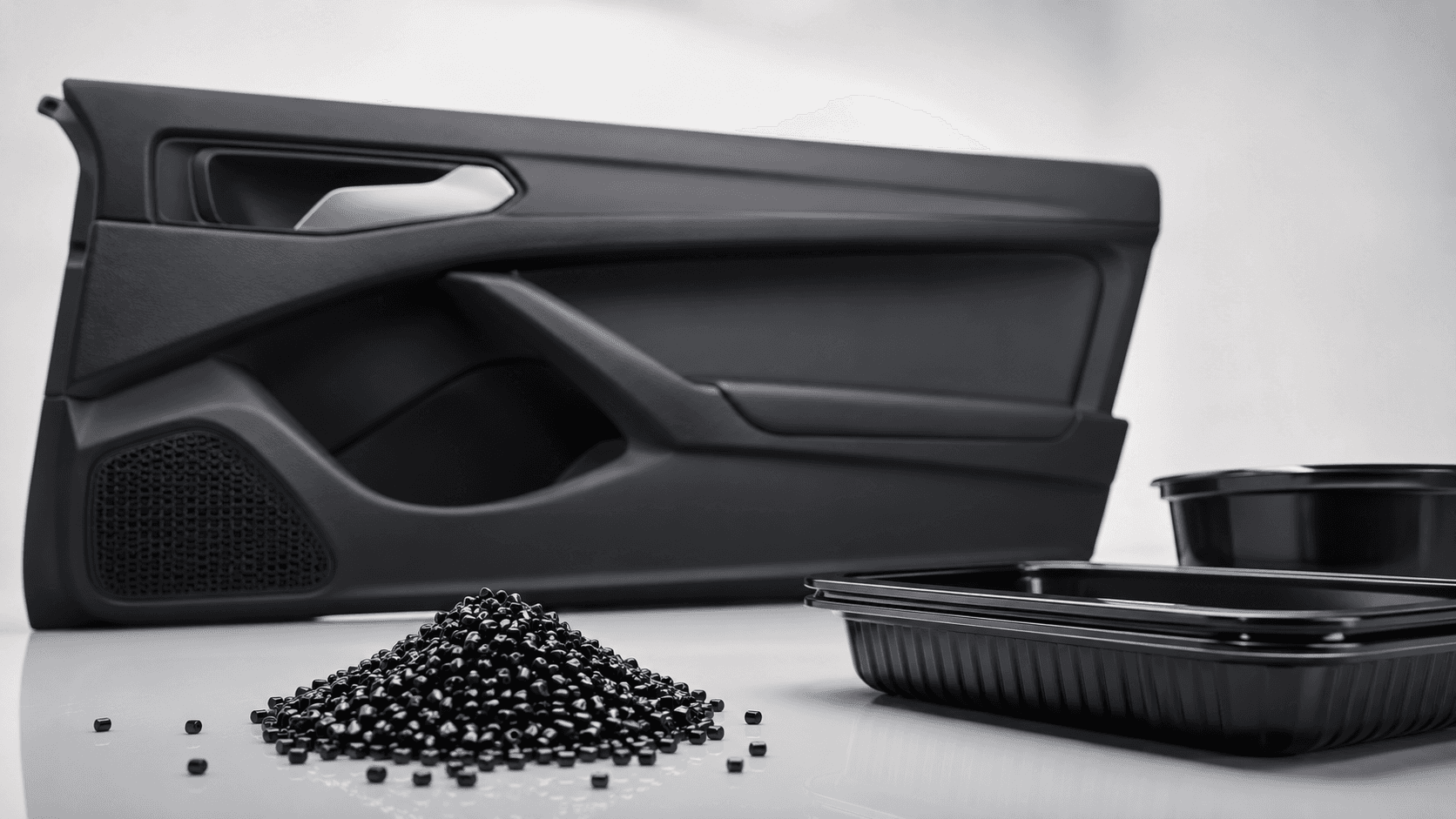
Applications of Low-Odor Black Masterbatch
Learn how to evaluate low-odor black masterbatch applications for general plastic products where odor control is part of buyer evaluation, including dispersion, carrier…
Read article →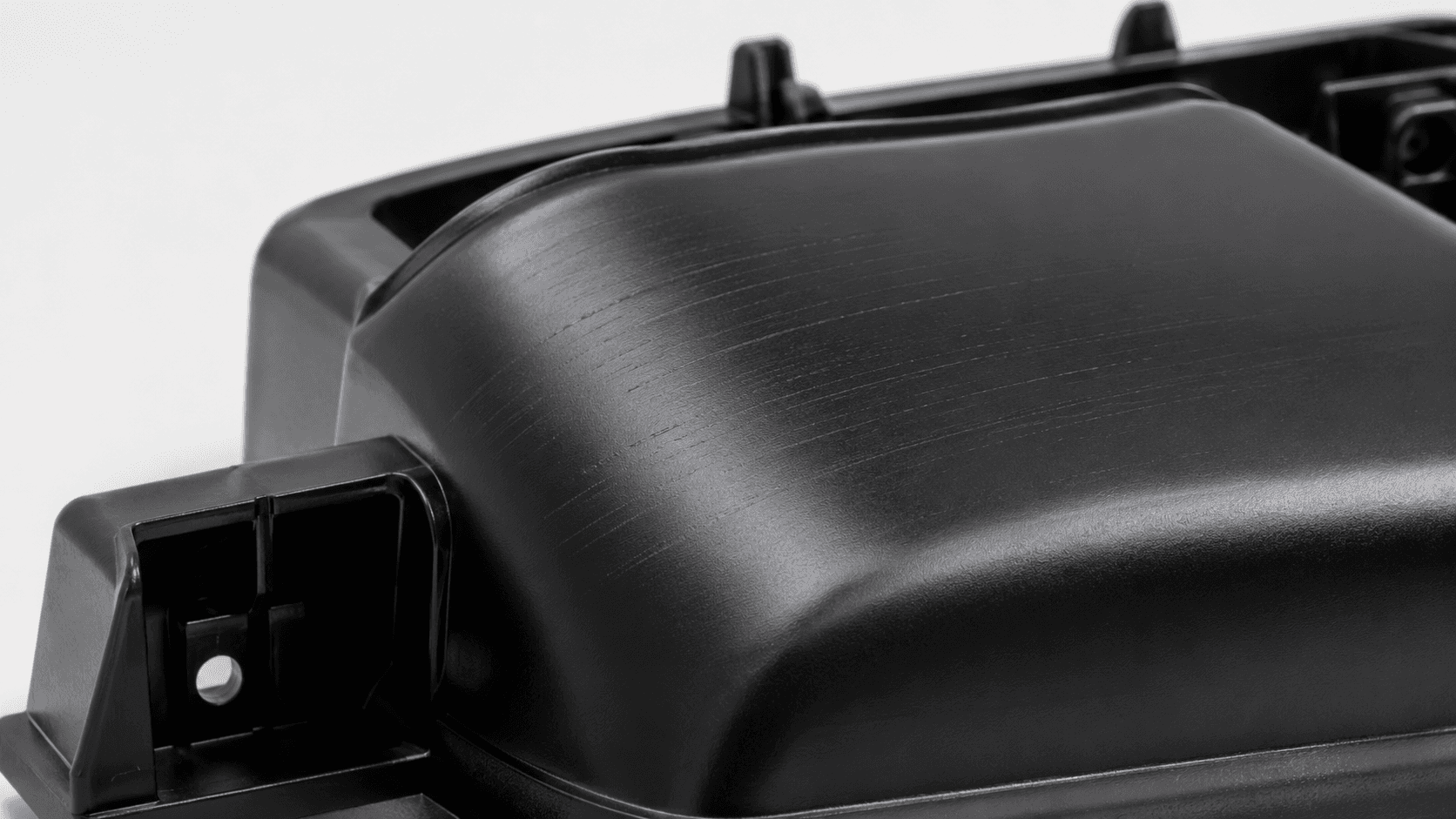
How to Solve Streaks in Injection Molded Black Parts
Learn how to evaluate injection molding black masterbatch streaks for black injection molded shells, caps, fittings, and industrial parts, including dispersion, carrier…
Read article →
How to Control Blackness and Dispersion in Pipe Extrusion
Learn how to evaluate pipe extrusion black masterbatch dispersion for PE pipes, drainage pipes, conduit, and extruded profiles, including dispersion, carrier compatibility…
Read article →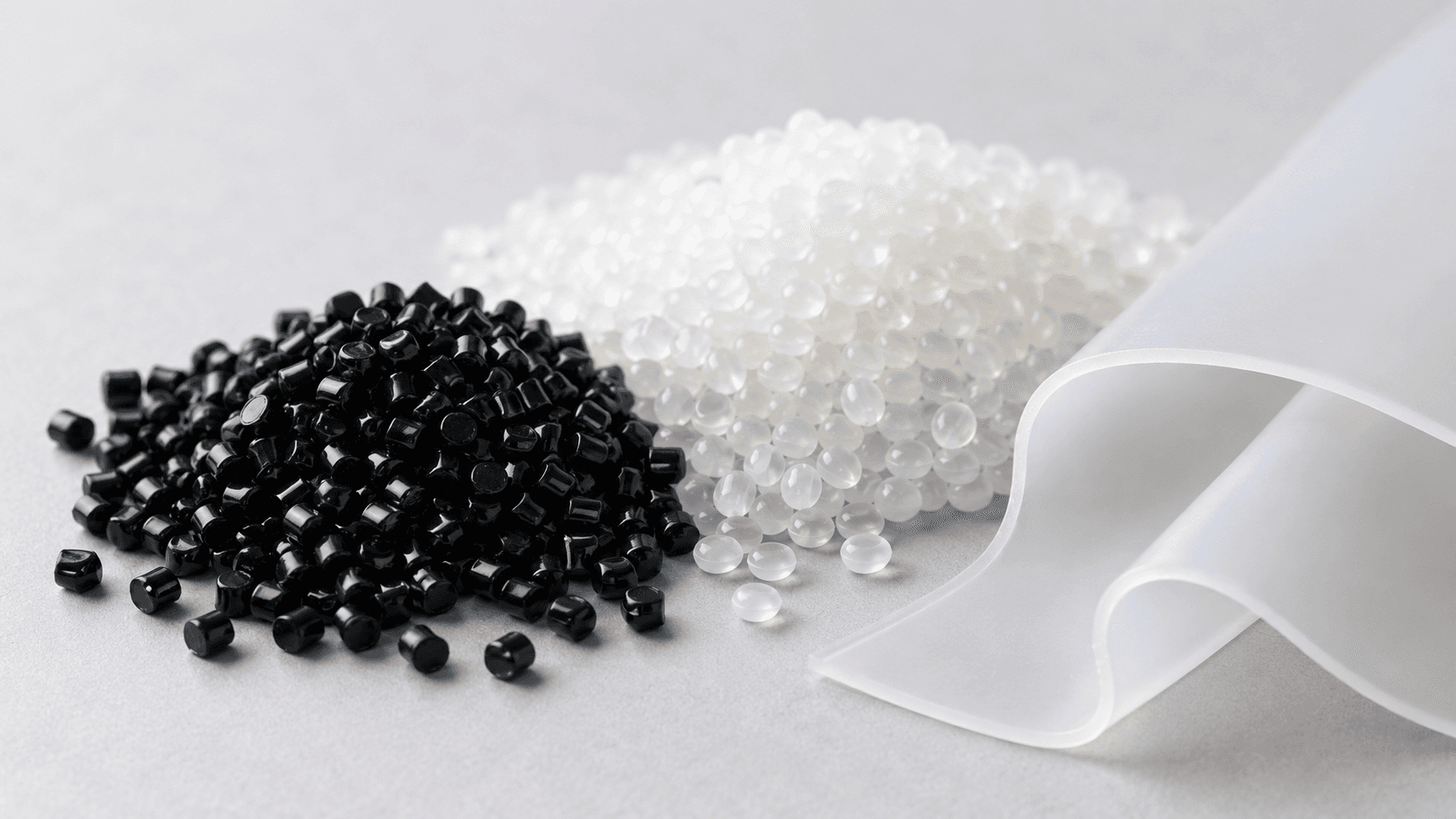
Advantages and Limitations of EVA Carrier Black Masterbatch
Learn how to evaluate EVA carrier black masterbatch for flexible products, EVA blends, and applications requiring a softer carrier response, including dispersion, carrier…
Read article →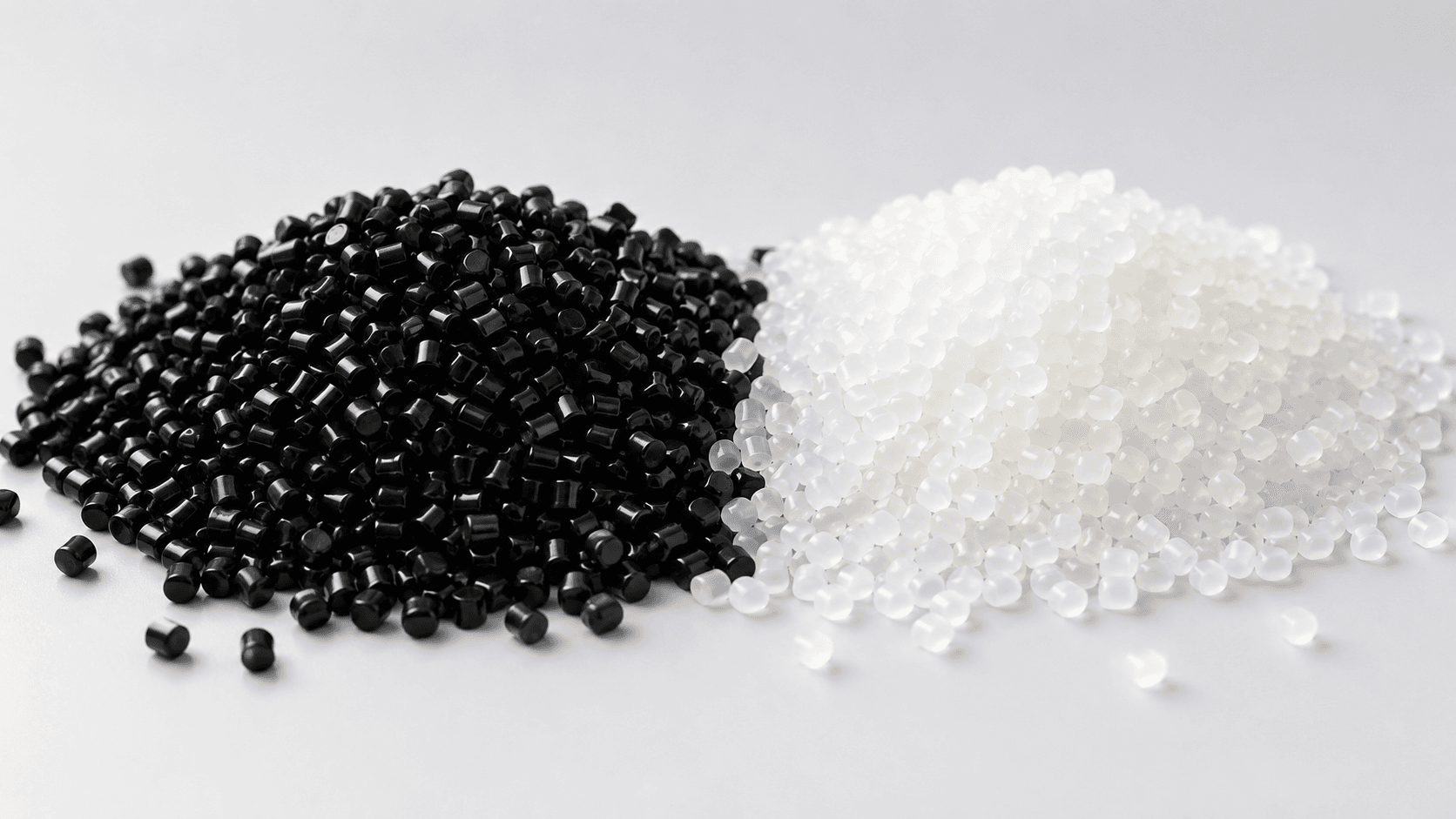
How to Choose Carrier Resin for PP Black Masterbatch
Learn how to evaluate PP black masterbatch carrier resin for PP injection parts, PP sheets, PP fibers, and PP extrusion products, including dispersion, carrier compatibility…
Read article →
How MFI (MFR) Relates to Black Masterbatch Processing
A practical guide to black masterbatch MFI/MFR, test conditions, carrier and carbon black effects, and interpreting melt flow results for extrusion and injection molding.
Read article →
Common Testing Methods for Black Masterbatch
A buyer's guide to eight common black masterbatch quality checks, what each method can and cannot show, and how to read TDS, COA and third-party reports.
Read article →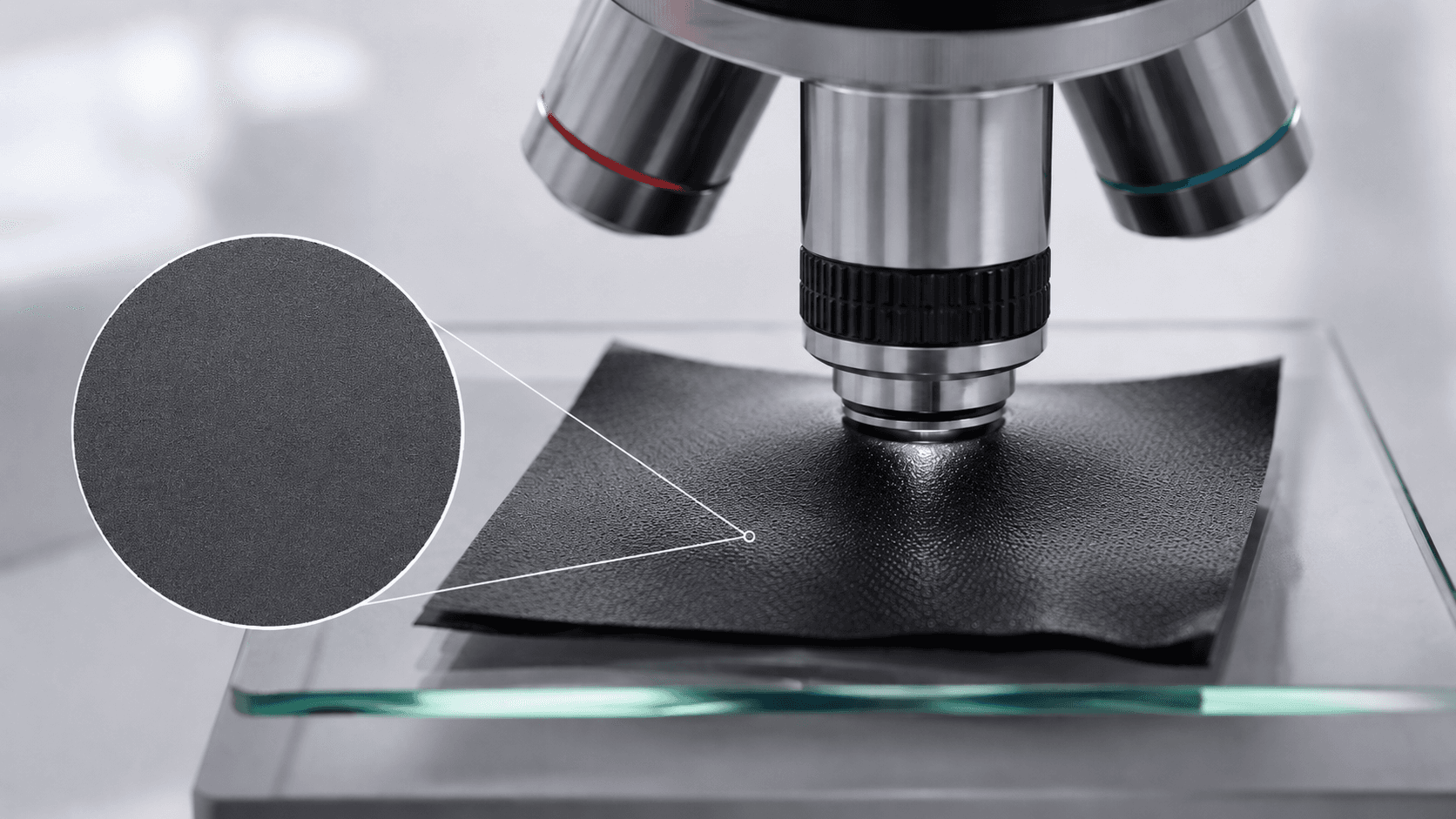
How to Evaluate Black Masterbatch Dispersion
A practical guide to evaluating black masterbatch dispersion: film tests, filter pressure values, microscopy, fair sample comparison and trial records.
Read article →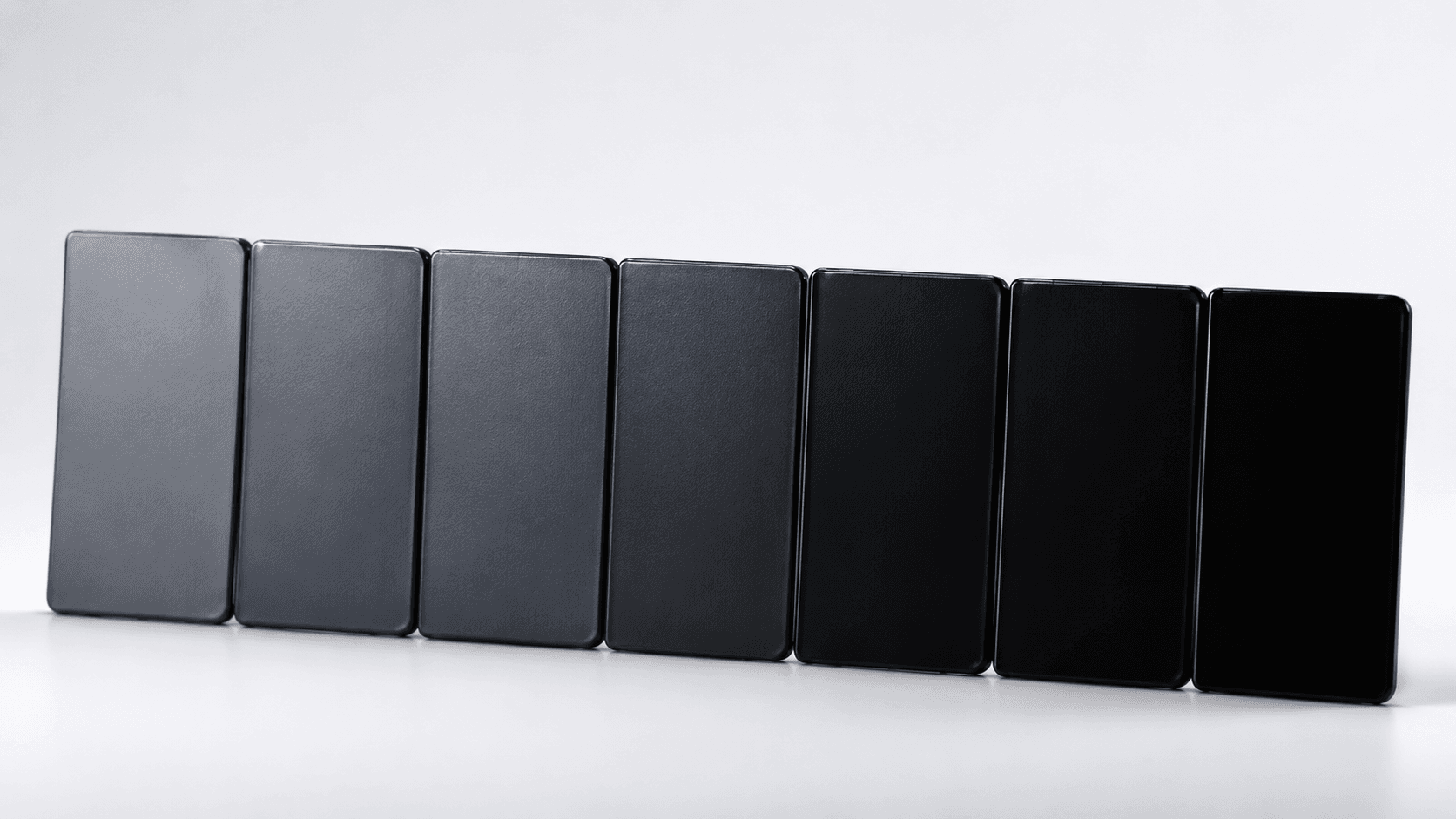
Why Higher Carbon Black Content Does Not Always Mean Higher Blackness
Learn how to evaluate carbon black content and blackness for buyers comparing high-concentration black masterbatch grades, including dispersion, carrier compatibility, processing…
Read article →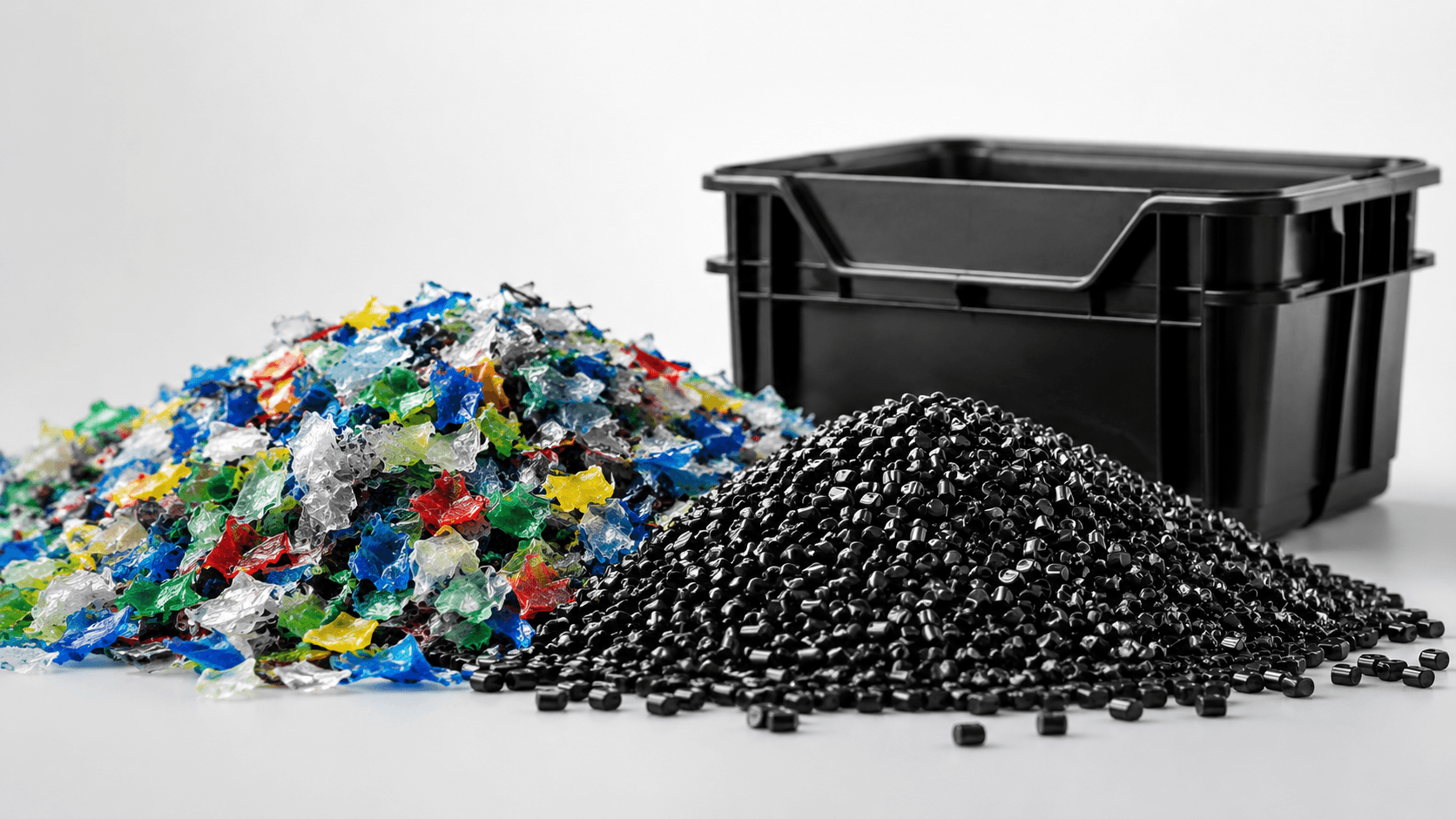
How to Choose Black Masterbatch for Recycled Plastics
Learn how to evaluate recycled plastic black masterbatch for recycled PE, PP, and mixed recycled plastic products, including dispersion, carrier compatibility, processing fit…
Read article →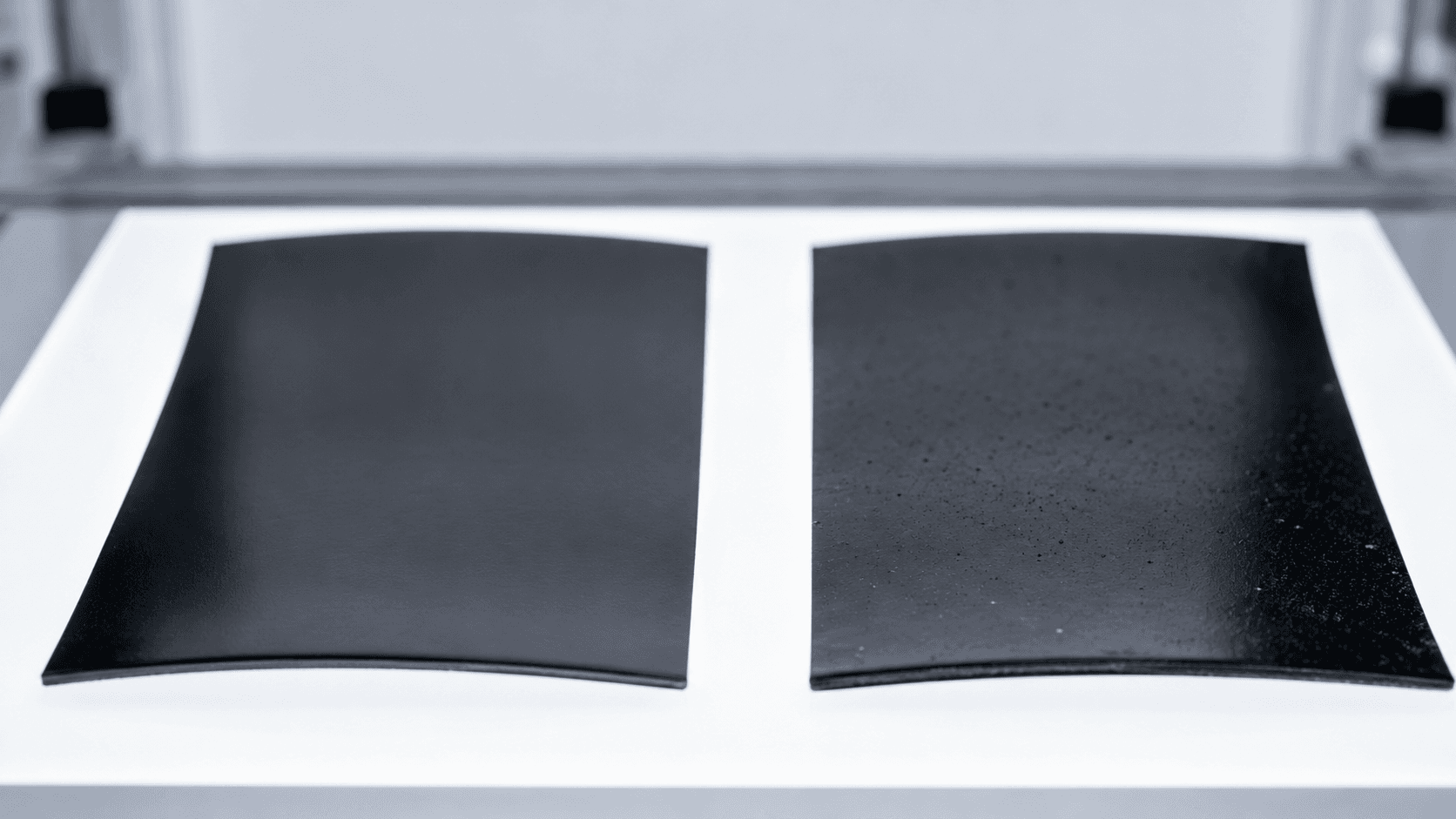
High-Dispersion Black Masterbatch vs Standard Black Masterbatch
Learn how to evaluate high-dispersion black masterbatch for film, cable, pipe, sheet, and injection molded parts with higher appearance expectations, including dispersion, carrier…
Read article →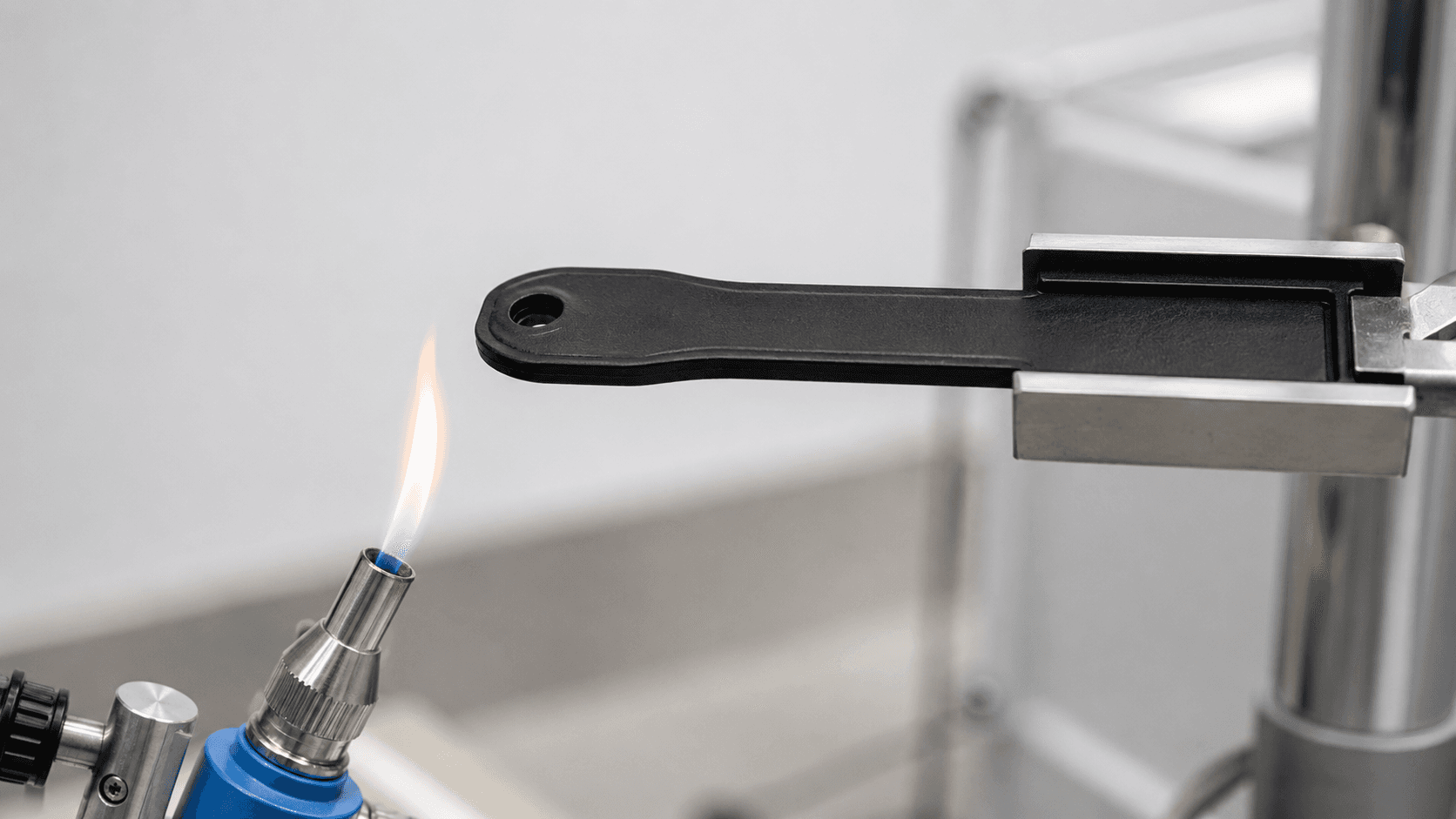
Where Flame-Retardant Black Masterbatch Can Be Used
Learn how to evaluate flame-retardant black masterbatch applications for plastic parts that require both black appearance and flame-retardant formulation compatibility, including…
Read article →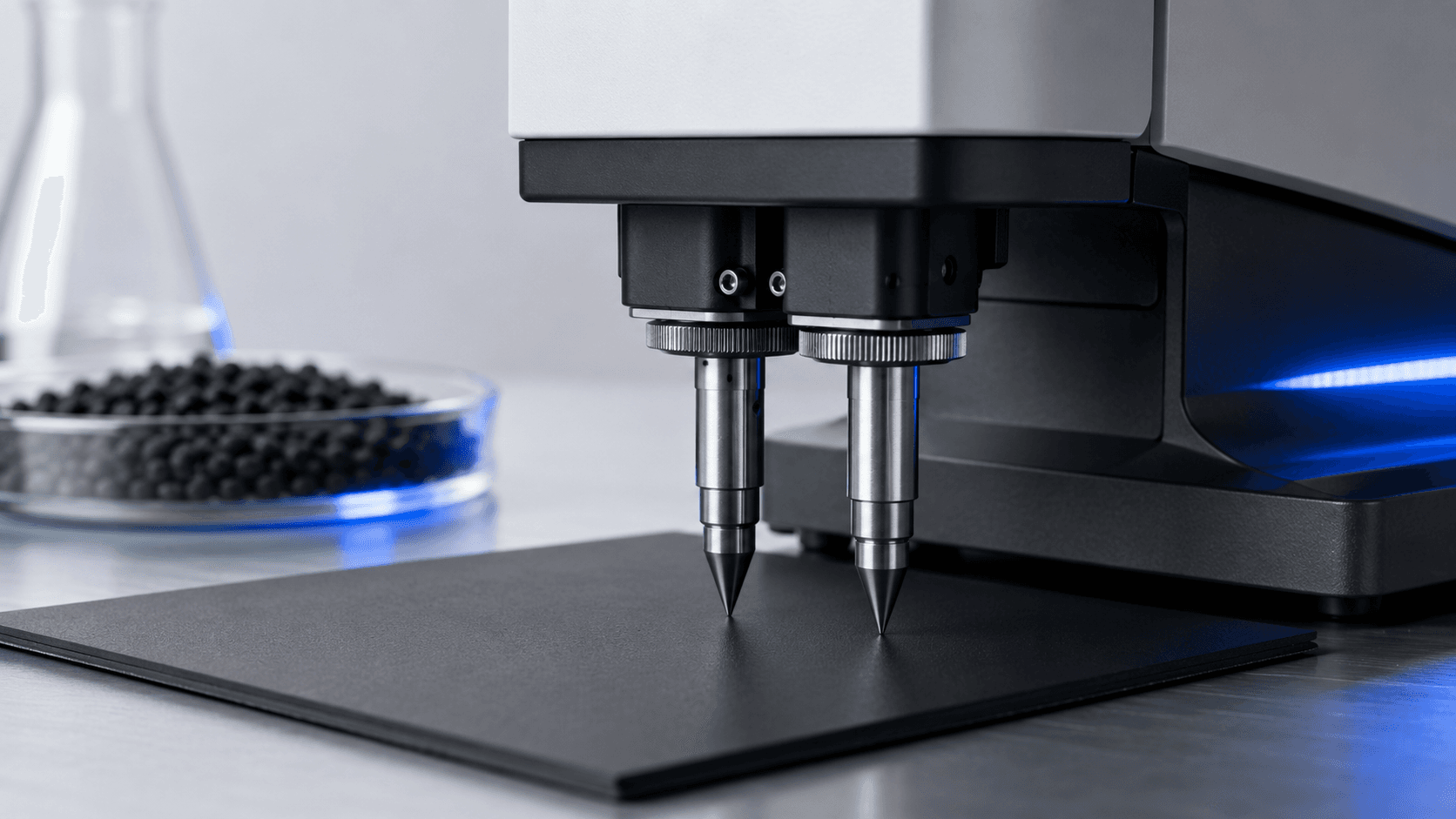
Why Conductive Black Masterbatch Surface Resistance Is Unstable
Learn how to evaluate conductive black masterbatch surface resistance for conductive plastic parts, sheets, trays, and modified compounds, including dispersion, carrier…
Read article →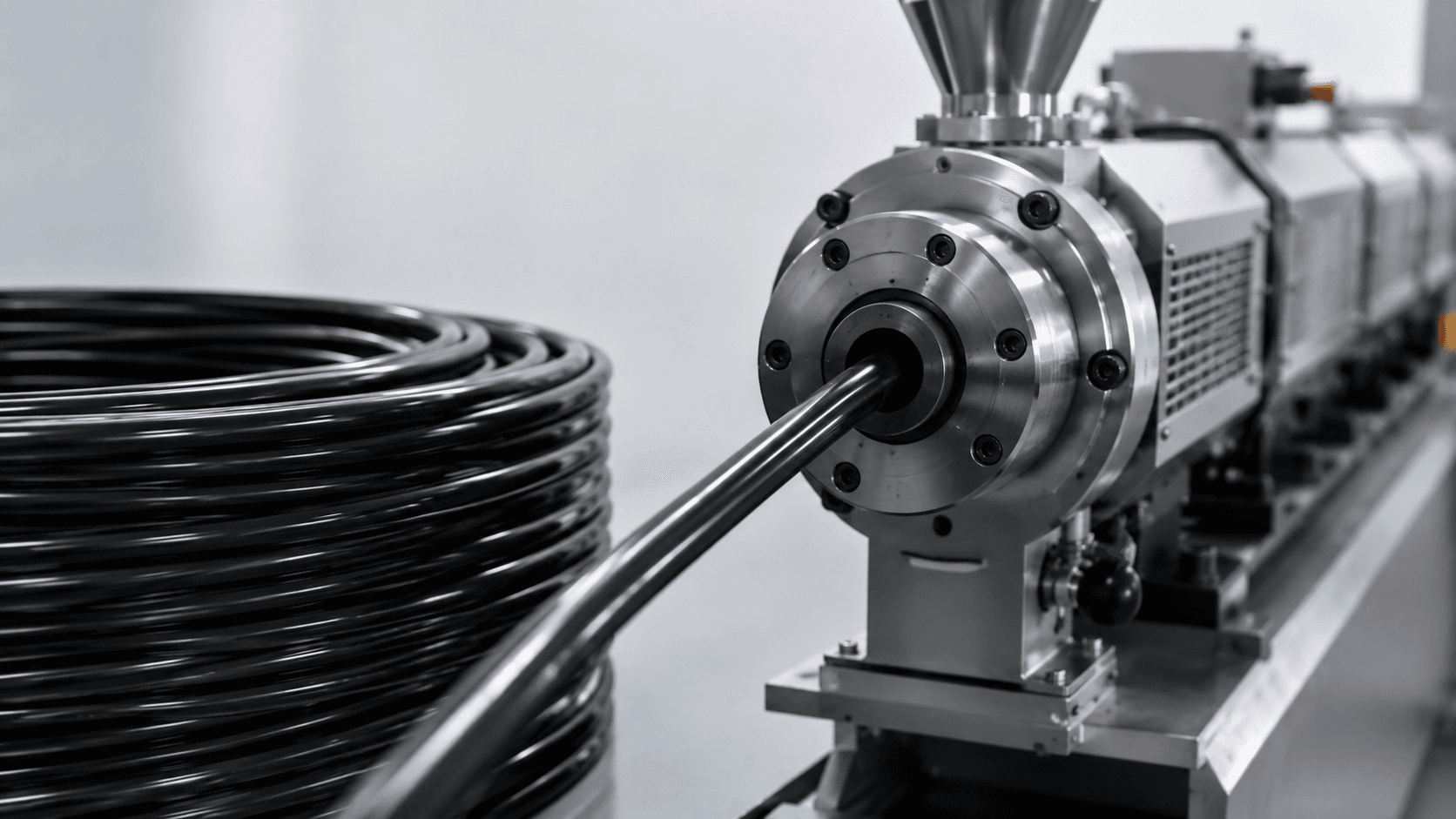
How to Choose Black Masterbatch for Cable Sheath Extrusion
Learn how to evaluate cable sheath black masterbatch for wire and cable sheath compounds, including dispersion, carrier compatibility, processing fit, quality control notes, and…
Read article →
How to Determine the Addition Ratio of PE Black Masterbatch
Learn how to evaluate PE black masterbatch addition ratio for PE film, bags, sheet, and molded PE parts, including dispersion, carrier compatibility, processing fit, quality…
Read article →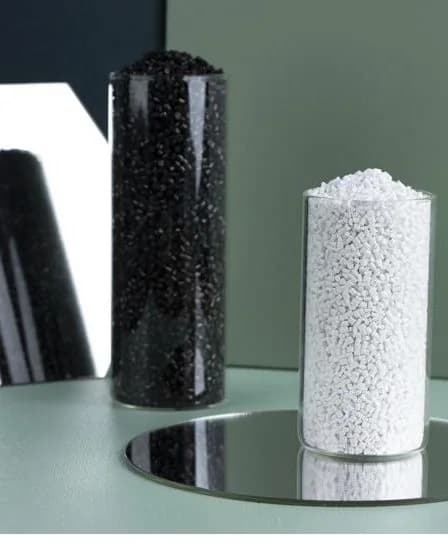
Choosing Black Masterbatch for Blown Film
Blown film rewards clean dispersion and the right CB type. Here is how to pick a grade for bags, liners and agricultural film.
Read article →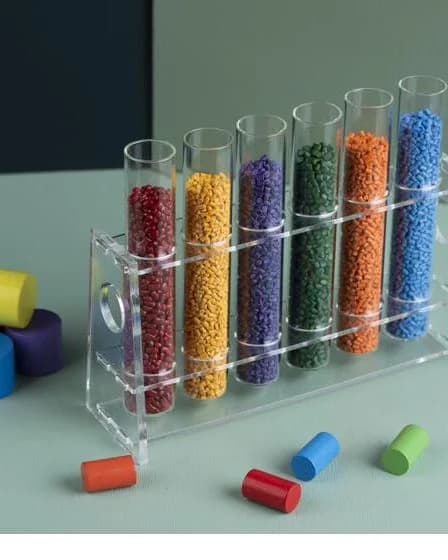
Black Masterbatch vs Color Masterbatch: How to Choose
Black and color masterbatch solve different problems. This guide explains pigments, dispersion, color matching and when to specify each.
Read article →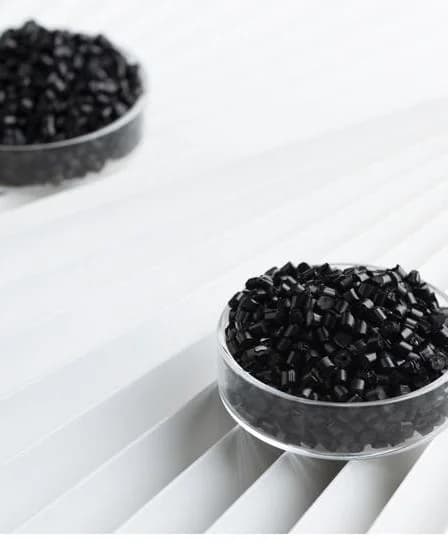
What Is Carbon Black Masterbatch? A Practical Guide
Carbon black masterbatch is a concentrated dispersion of carbon black pigment in a carrier resin. Here is what it is, how it works and how to choose one.
Read article →FAQ
Frequently Asked Questions
What is carbon black masterbatch?
Carbon black masterbatch is a concentrated dispersion of carbon black pigment (typically 8–50% by weight) pre-mixed into a carrier resin such as PE, EVA, SAN, PC, or PA. Added to virgin or recycled polymer at 1–4% during processing, it delivers uniform black color, opacity, UV protection, and — at higher loadings — antistatic or conductive properties. Using a masterbatch instead of raw carbon black powder gives cleaner handling, better dispersion, and consistent, repeatable results in film, molding, and extrusion.
What types of carbon black masterbatch does Zhongfuhai manufacture?
We manufacture seven core black masterbatch series: Standard PE/EVA (30–50% CB), PP Black on a PP carrier, High Jetness / High Color Black using Cabot HCB pigment (15–49% CB), Engineering Plastics grades for SAN, PC, PA, ABS and POM (20–40% CB), Cable masterbatch and compound, rPE Recycled (10–49% CB), and the Y-Series sustainable grades with an rPE + rEVA carrier and recycled carbon black (rCB) (8–46% CB). Over 60 formulations in total.
Is ZFH masterbatch EU RoHS compliant and EN 71-3 certified?
Yes. Product ZFH-6046 has been independently tested by SGS (Shenzhen Branch) in May 2026. It passes EU RoHS Directive (EU) 2015/863 (covering Pb, Hg, Cd, Cr(VI), PBB, PBDE, DEHP, BBP, DBP, DIBP) and EN 71-3:2019+A2:2024 migration of elements testing with all 19 elements Not Detected. Full English and Chinese SGS reports are available on request.
Read more
What is the recommended addition rate for ZFH masterbatch?
The standard addition rate is 1–4% depending on the required opacity level, base resin, and processing conditions. Higher CB content grades (40–50%) can achieve full opacity at the lower end of this range. For thin-wall film applications, 2–3% of a 40% CB grade typically provides complete opacity.
Which base resins are compatible with ZFH carbon black masterbatch?
ZFH masterbatch is compatible with PE (LDPE, LLDPE, HDPE), EVA, PP, ABS, PS, SAN, PC (Polycarbonate), and PA (Nylon). The Y-Series is also compatible with recycled resins. Engineering plastic grades are formulated specifically for SAN, PC, and PA matrix resins and should not be substituted with PE-base grades in engineering applications.
What is the difference between filler and filler-free grades?
Filler-free grades contain only carbon black, carrier resin, and processing additives — no mineral fillers such as calcium carbonate. These are preferred for applications requiring precise mechanical properties, thin-film applications where filler could cause pin-holes, and engineering plastic applications. Filler grades use mineral fillers to reduce cost while maintaining opacity; they are suitable for general packaging, garbage bags, and construction materials where mechanical precision is less critical.
What is the Y-Series and why choose it?
The ZFH Y-Series uses rPE+rEVA recycled carrier polymers combined with HAF and recycled carbon black (rCB recovered from end-of-life tyre processing). It delivers comparable dispersion quality and opacity to virgin grades, at a lower cost and with a reduced environmental footprint. It is well-suited for courier bags, garbage bags, agricultural films, and construction parts. For European buyers increasingly required to specify recycled-content materials, the Y-Series supports compliance without compromising on processability.
Can you provide custom formulations or private-label masterbatch?
Yes. We offer custom formulation services including specific CB content (8–50%), carrier resin selection, filler level adjustment, and additive packages. We can also produce to your existing specification if you provide a TDS. For private-label requirements, we can produce with your branding on packaging. Contact us with your technical specification and we will provide a sample and quotation.
Do you make color masterbatch and functional masterbatch as well as black?
Yes. Alongside our core carbon black masterbatch, we produce custom color masterbatch (red, blue, green, yellow, white, and specialty shades, with Pantone/RAL color matching) and functional masterbatch — including UV-resistant, antistatic, flame-retardant, filling, and anti-aging grades. These are made to order for PE, PP, EVA, PS, ABS, PET, and engineering plastics. Share your color target, base resin, and application, and we will develop a sample and quotation.
Which industries and applications use ZFH masterbatch?
ZFH masterbatch is used across pipe & fittings, wire & cable, agriculture & horticulture film, home & kitchen appliances, consumer electronics & audio, automotive components, food-grade packaging, and cosmetic & household bottles. We match each grade to the application's resin, opacity, UV, food-contact, and processing method — blown film, injection molding, blow molding, and pipe or cable extrusion.
What is the minimum order quantity (MOQ) and lead time?
Please contact us directly to discuss MOQ and lead time for your specific product and quantity requirements, as these vary by formulation and order volume. Sample quantities are available for qualification testing prior to first commercial order. Contact mars_li@szzhongfu.com or WhatsApp +86 159 2051 7399.